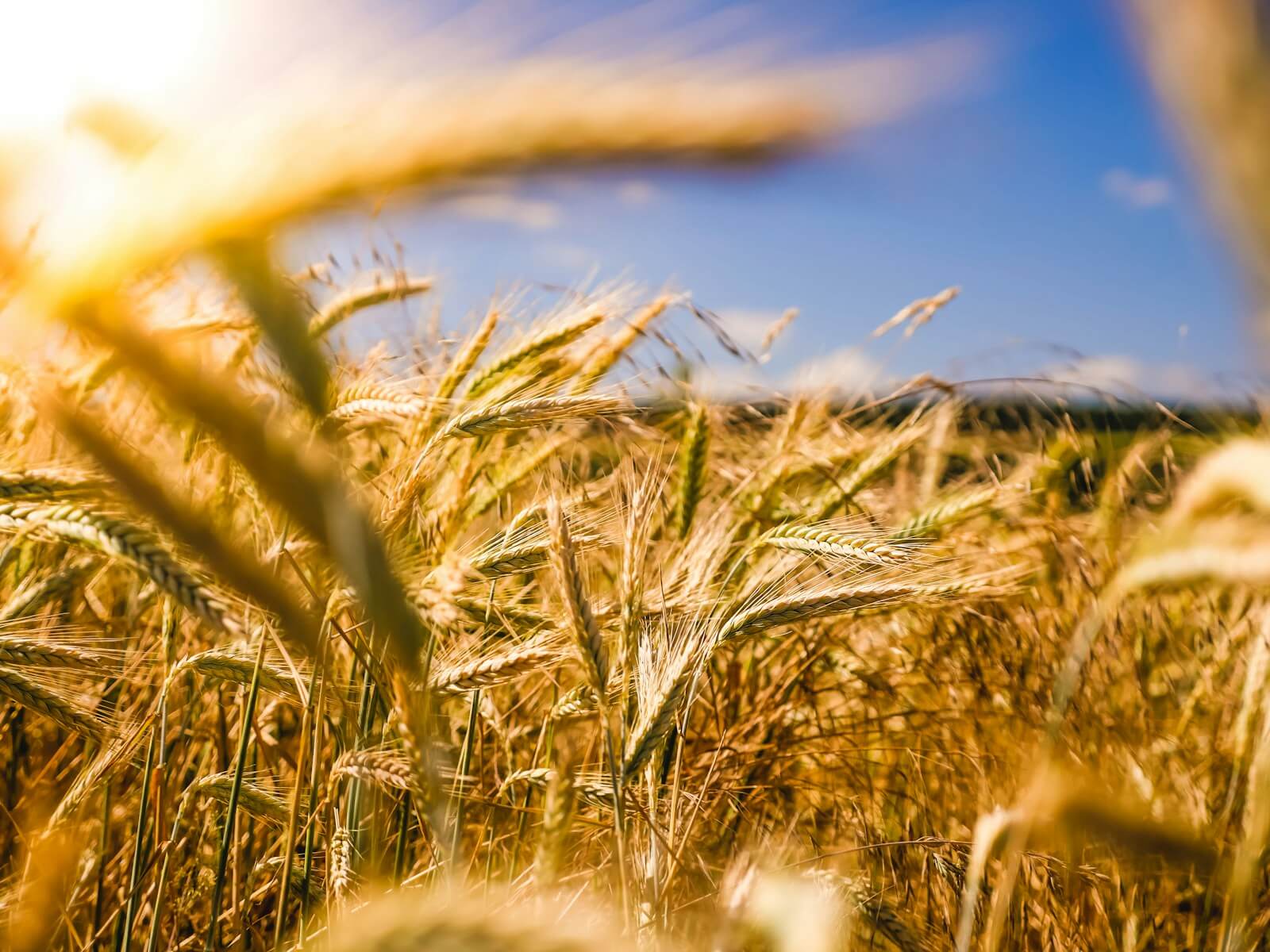

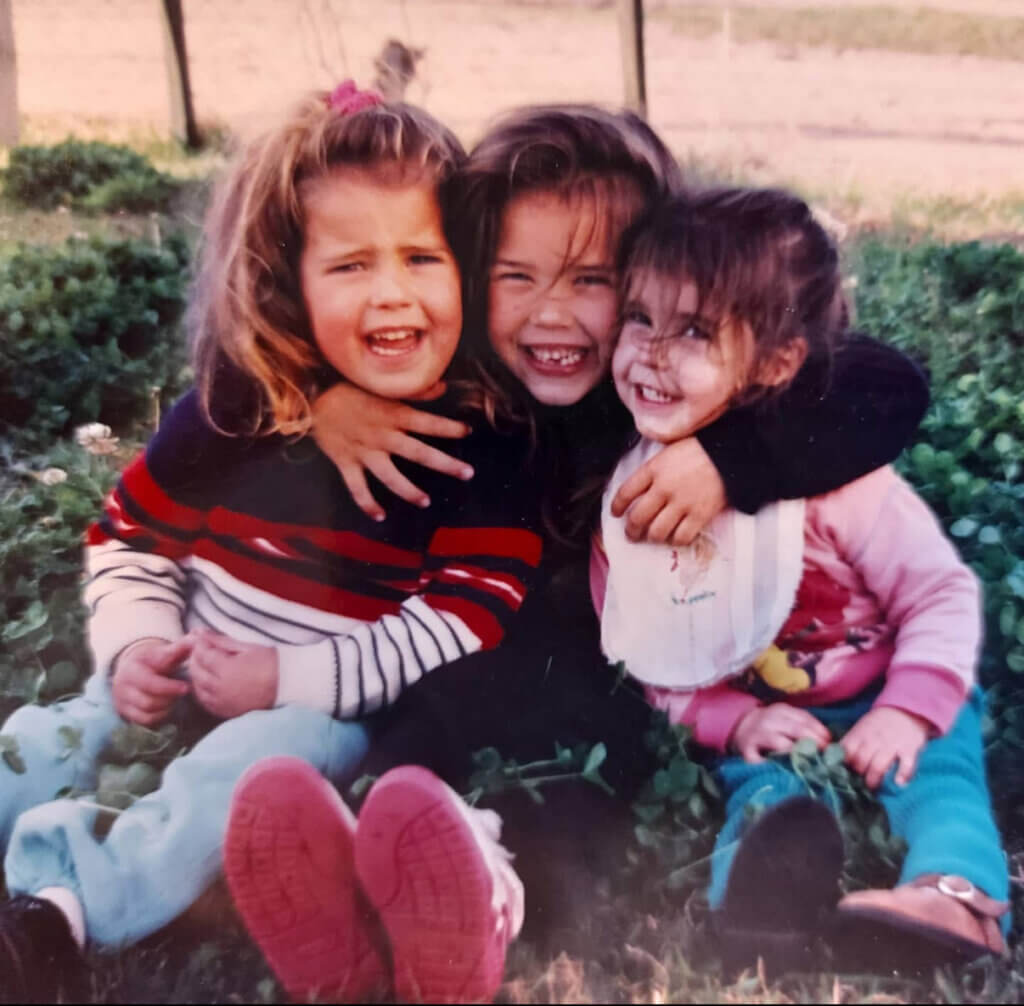
As I mentioned in the “about us” of this blog, I am Uruguayan and so lucky to live in what I believe is one of the most beautiful countries in the world: Australia. I grew up on a farm with my parents, two sisters and half brother. I was surrounded by nature; trees, cats, dogs, cows, horses, and the list goes on. My father was a farmer, so his main income came from raising livestock such as cattle and sheep, and from agriculture itself. The main crops were wheat, corn, barley, sunflowers, and sorghum.
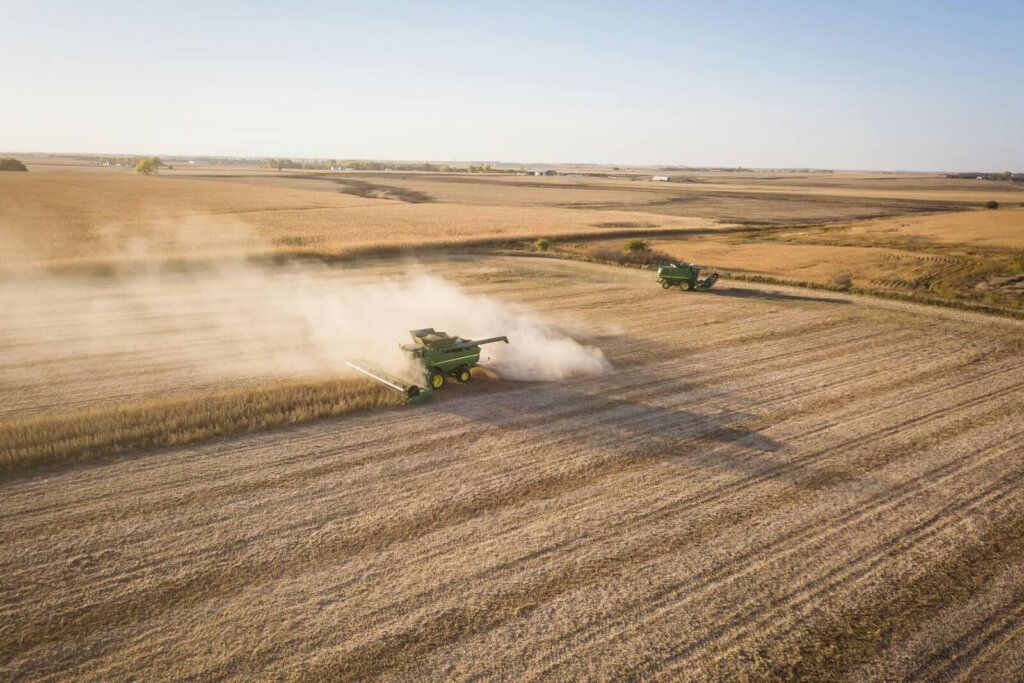
At some point during my childhood, although I don’t remember exactly when, the soybean boom arrived. Suddenly, all the farmers were planting and harvesting soybeans. It was sold to China, and we had no idea what the Chinese were doing with the soy, but the town was thriving.
One of my main interests as a child was learning English, and that interest eventually led me to travel. During my travels, I met all kinds of people, including those who were vegetarians, and some were even vegans. My mind was blown; I didn’t understand why so many people were vegetarian. I was totally against the idea, mainly because my father was a livestock farmer, and I had always been proud to be born into a family that produced food for the world.
However, some friends I met while traveling brought up the environmental impact of agriculture and its role in climate change. I was in disbelief, so I decided to do my own research, and that’s how my curiosity about a vegetarian lifestyle began. So, let’s dig a little deeper about agriculture and its environmental impact:
Methane:
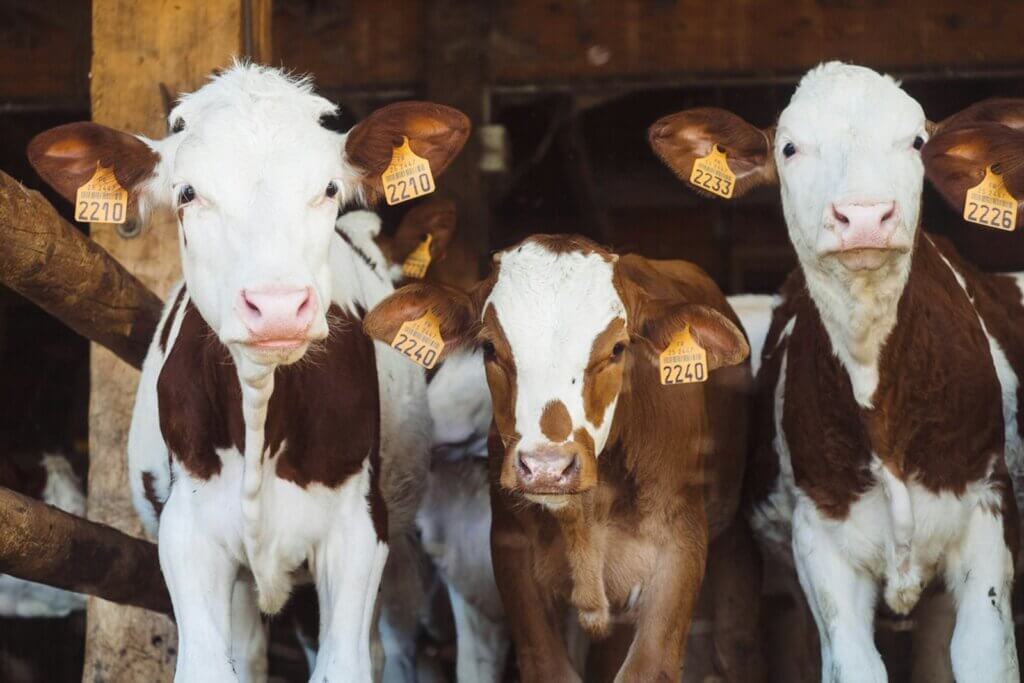
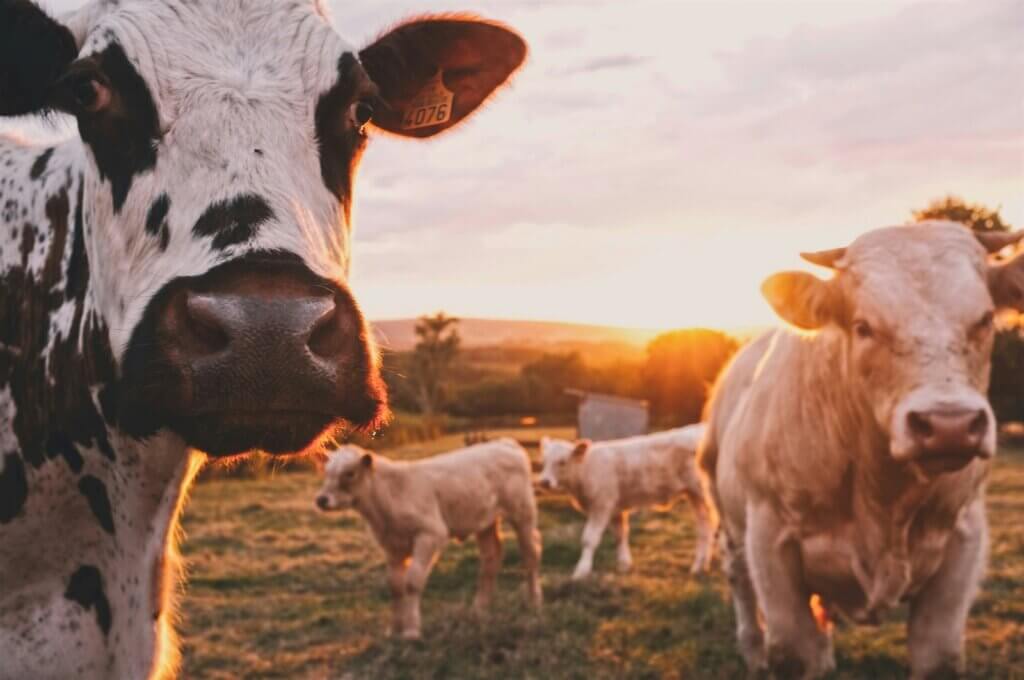
You might have heard that cows and other animals produce methane during digestion, a greenhouse gas that contributes to global warming. However, that’s not the only problem; in fact, it represents only one part of the total impact.
Deforestation
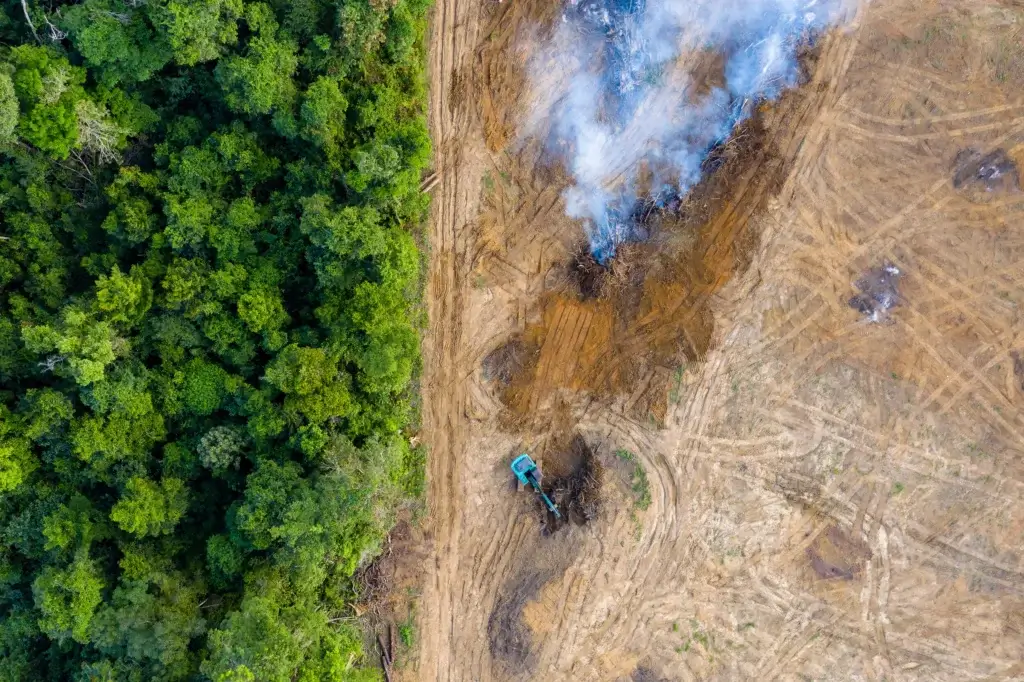
Around one hundred years ago, the world population was approximately 2 billion. Today, it exceeds 8 billion. As the population grows, so does the demand for food, particularly meat and animal products. To meet this demand, vast areas of forest are burned or cleared each year to grow feed crops like soy or to create grazing land for livestock. This large-scale deforestation leads to the destruction of natural habitats and contributes significantly to climate change.
Trees play a vital role in regulating our atmosphere. Through photosynthesis, they absorb carbon dioxide (CO₂) and release oxygen (O₂), helping to clean the air we breathe. But when forests are cut down, we not only lose this natural air purifier, we also release the carbon stored in trees, further increasing greenhouse gas emissions and accelerating global warming.
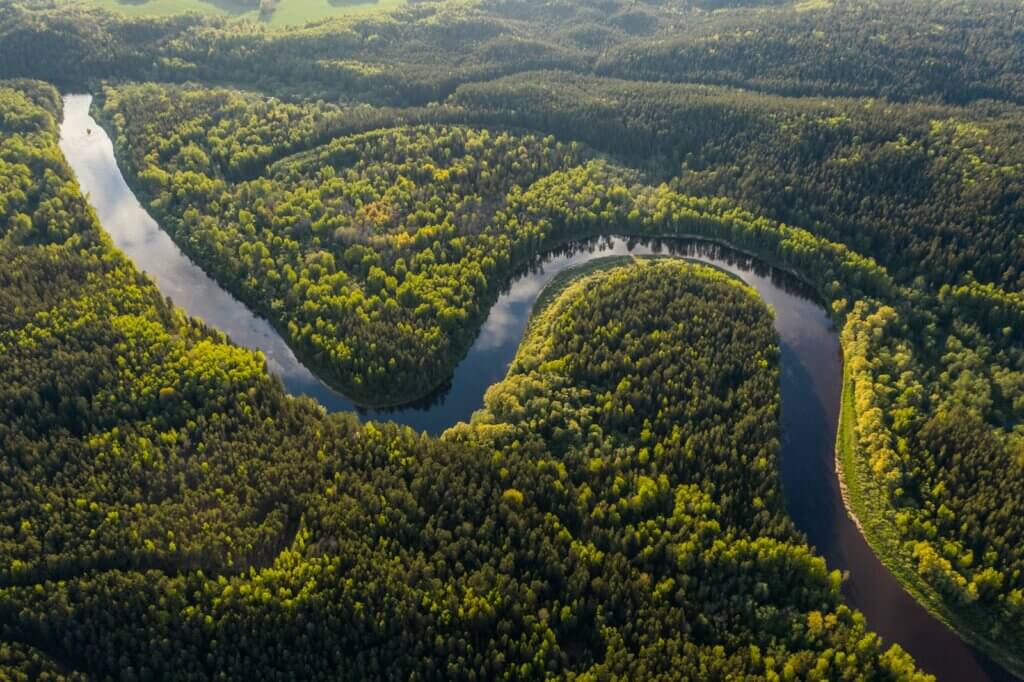
The Amazon rainforest is a striking example. Every day, large sections of forest are being cut down to make way for industrial-scale soybean plantations. It’s estimated that the equivalent of a football field of forest is lost every second. Much of this soy is then shipped across the globe, primarily to feed cattle, animals that will eventually end up on our plates.
Water Usage:
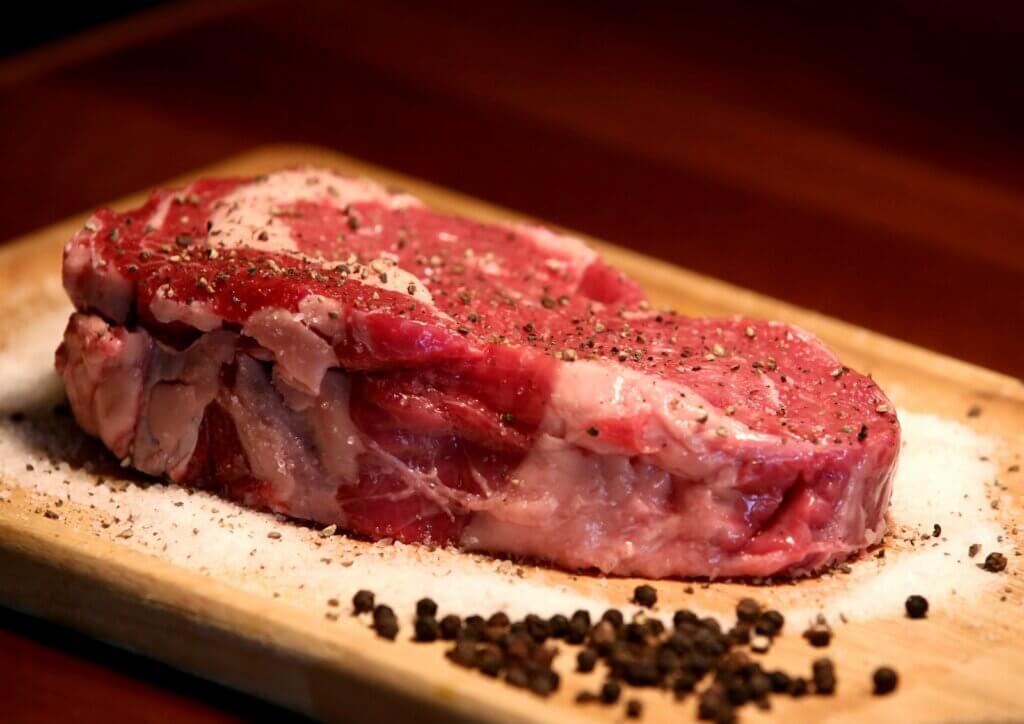
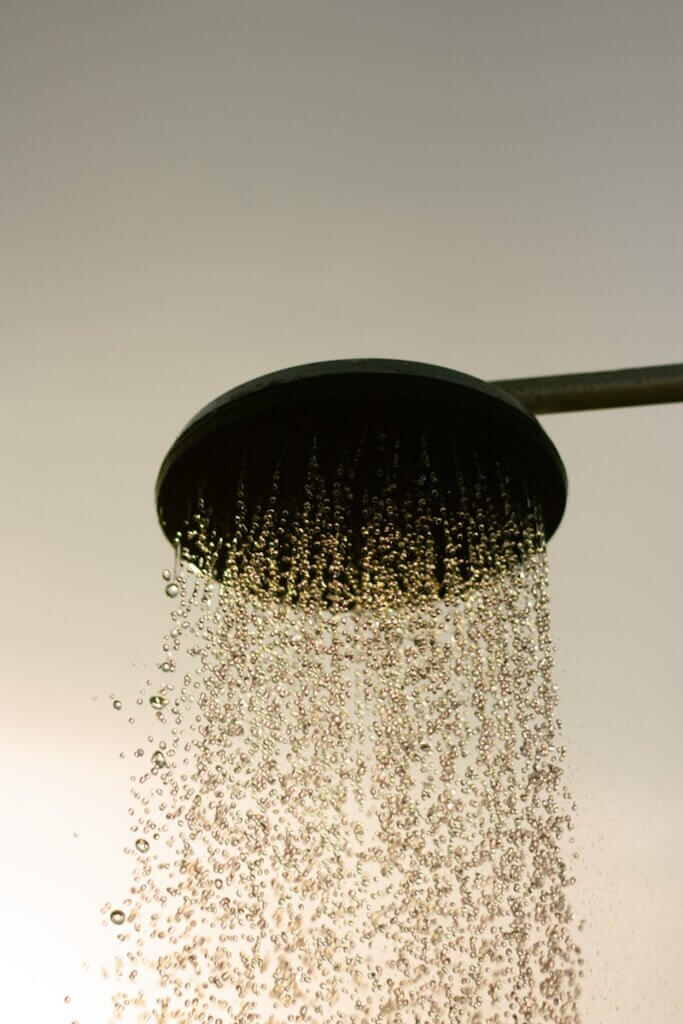
According to the Water Footprint Organization, producing 1 kg of meat requires about 15,000 liters of water. That’s equivalent to the amount of water used in 150 showers (assuming each shower takes about 10 minutes and uses about 100 liters of water). Isn’t that a bit crazy?
Producing 1 kg of meat = 150 showers worth of water
Land Usage:
If the land currently used for livestock were instead used to grow grains and vegetables for direct human consumption, far less land would be needed, which could significantly reduce deforestation. It’s estimated that feeding one person on a vegan diet for a year requires about 700 square meters of land. A vegetarian diet needs three times more, while a diet that includes meat, dairy, and eggs requires up to 18 times more land than a vegan diet.
If you want to learn more about this topic, I recommend watching the documentary called: Cowspiracy: The Sustainability Secret, which offers deep insight into the environmental impact of livestock farming. This documentary also addresses the problem of cattle manure, which represents another major environmental challenge. It’s estimated that cattle manure worldwide is 130 times greater than that produced by humans.
Fertilizer:
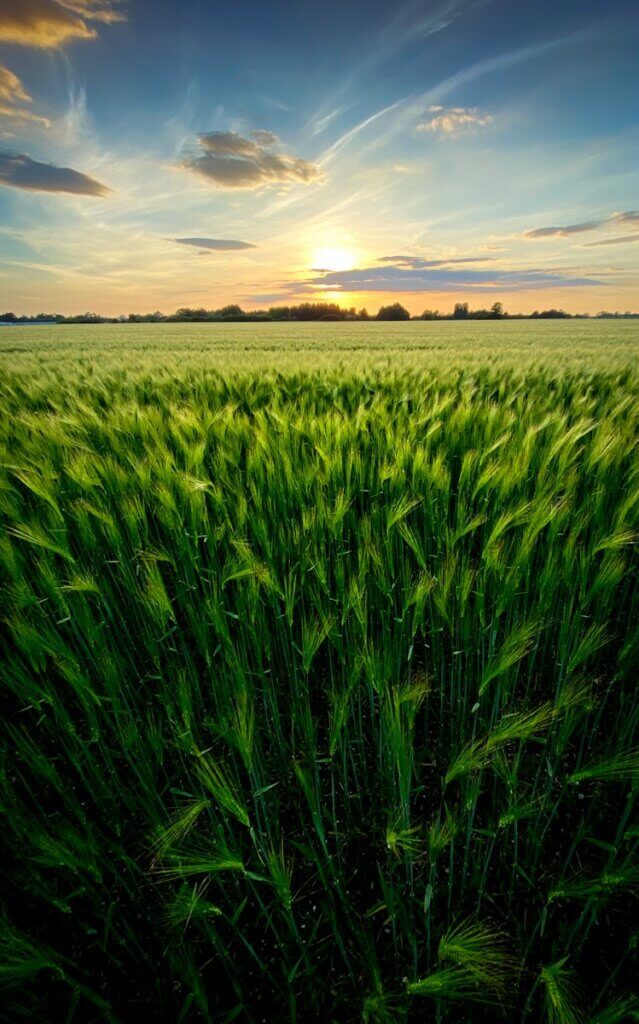
Fertilizers are substances added to soil to boost plant growth, mainly by supplying nutrients like nitrogen, phosphorus, and potassium. While they help increase food production, nitrogen-based fertilizers have a hidden environmental cost: they are a major contributor to climate change.
When synthetic nitrogen fertilizers are applied, not all the nitrogen is used by plants. The excess reacts in the soil and produces nitrous oxide (N₂O), a greenhouse gas nearly 300 times more potent than carbon dioxide. On top of that, manufacturing these fertilizers requires large amounts of fossil fuels, releasing significant CO₂ emissions before they even reach the farm. According to the IPCC (Intergovernmental Panel on Climate Change) and the FAO (Food and Agriculture Organization of the UN), reducing fertilizer-related emissions is essential to lowering agriculture’s overall impact on the planet.
Monoculture and Soil Degradation
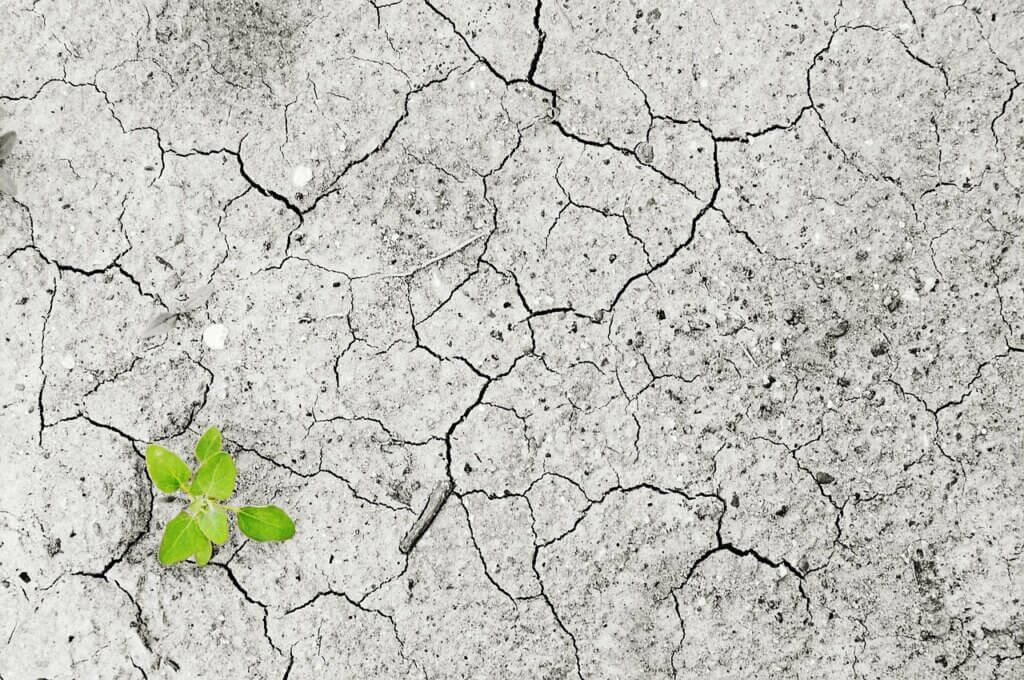
The practice of growing the same crop repeatedly on the same land, might seem efficient, but it takes a heavy toll on the soil. Over time, it drains essential nutrients and reduces the soil’s ability to store carbon. This can lead to erosion and even desertification, weakening the land’s capacity to absorb CO₂ and making agriculture more vulnerable to climate change.
What can I do as an individual?
It is evident that the way we produce food today is not sustainable, that is why it is essential to rethink our production system. Moreover, one of the most accessible and effective ways to fight climate change is by adopting a plant-based diet. This is a small change anyone can start as soon as tomorrow, it doesn’t require decades of development or major investments.
It’s not about being perfect or giving up everything we love. It’s about being aware of the choices we make and how they affect the world around us. It’s about asking ourselves: what can we do differently today? Even choosing one meat-free day a week is a powerful start. Together, we can make a difference, one meal at a time.