
Table of Contents
Ever bought a gift for someone, only for them to say, “Oh no, sorry, I don’t need this… you can keep it”?
It has happened to me a few times. My first thought? “How dare you say no to my present!”
Truth is… sometimes when I receive a gift, I wish I could give the same answer back, because unless it’s chocolate, I know that whatever I’m unwrapping will eventually end up in landfill or take up precious space in my already tiny apartment.
Gifts We Never Use: The Environmental Impact We Overlook
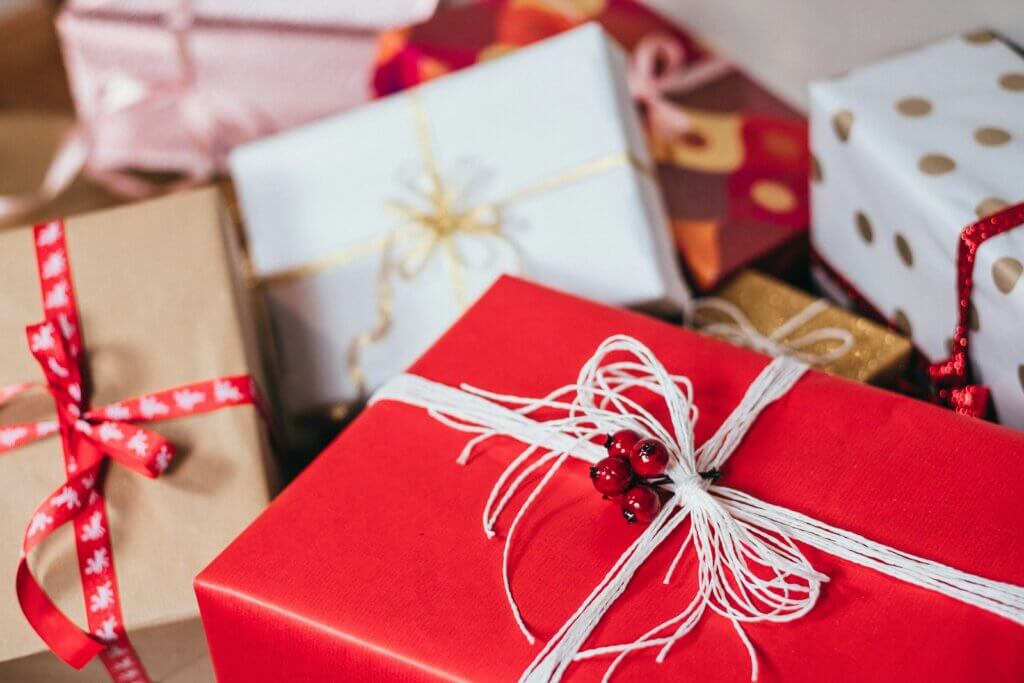
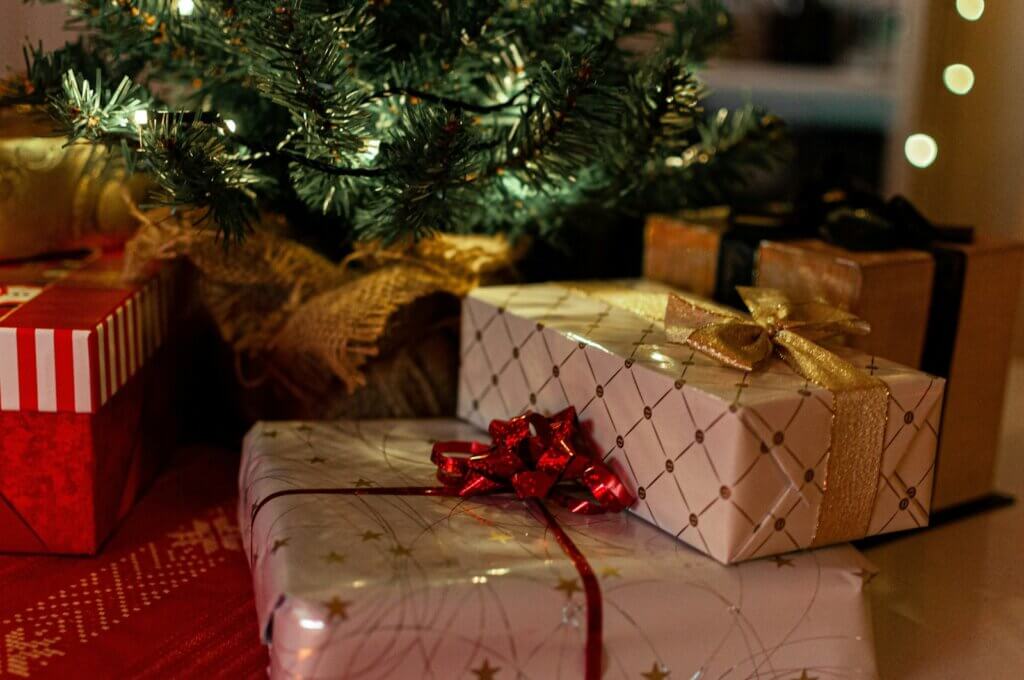
We usually think of gifts as a way to show love, appreciation, or celebrate special occasions. But let’s be honest: how often do we receive something that ends up forgotten in a cupboard, never used, or eventually sent to landfill?
According to 2024 research from The Australia Institute:
- 27% of Australians expect to receive a Christmas present they will never use or wear.
- Australians spend over $1 billion each year on Christmas presents that will end up in landfill.
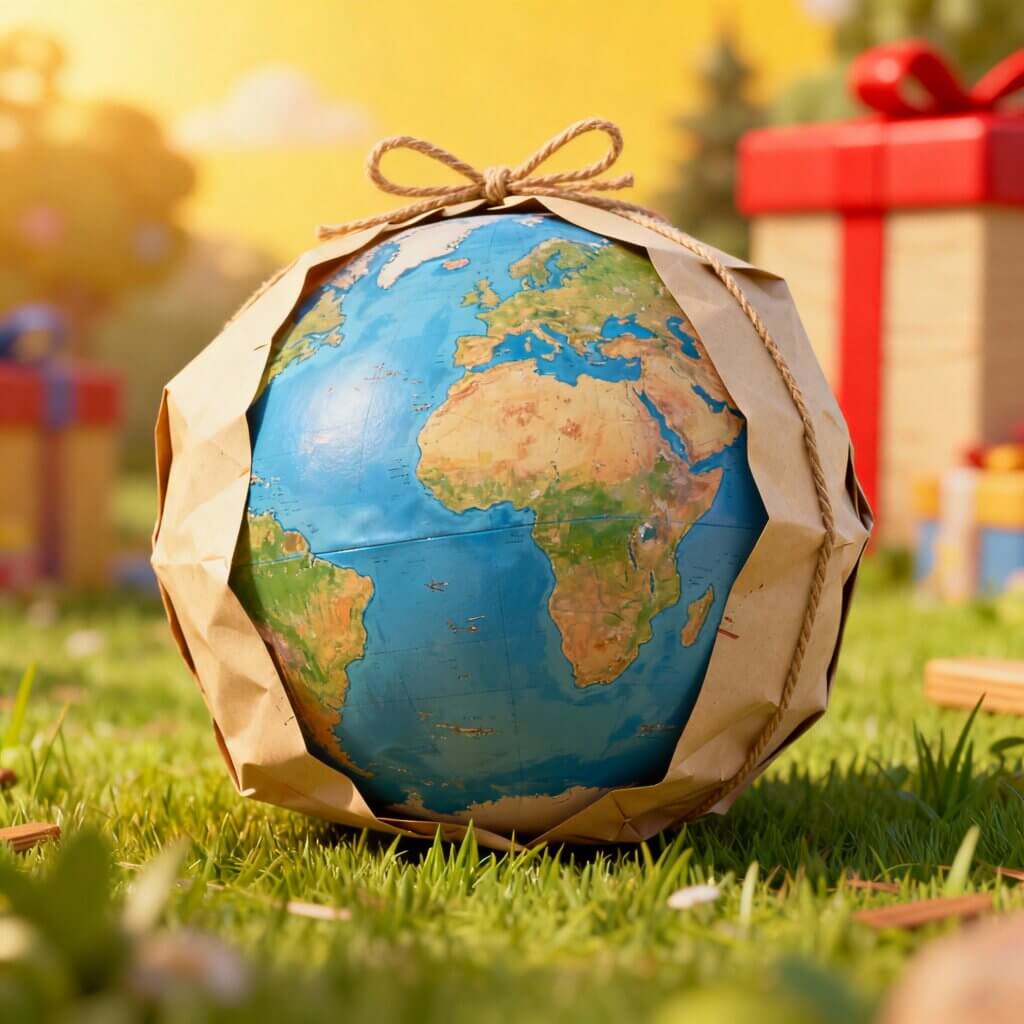
- Australians use over 150,000 kilometres of wrapping paper each Christmas, this is enough to wrap around the Earth four times.
And that’s not even considering the hidden environmental costs, such as resources mined, factories running on fossil fuels, plastic packaging, and shipping emissions, all for something that may never even be used.
What If We Gave Gifts Differently?
So how can we begin to reduce gift waste?
1- First of all, we should let go of the idea that buying something is the only way to show appreciation. Love, care, and gratitude can be expressed in countless meaningful ways.
2- Prioritise presence over presents: don’t feel embarrassed showing up to a celebration empty-handed. Your time and company are often the greatest gift they could receive.
3- Encourage no-gift celebrations: birthday parties are a constant in many kids’ lives, and the pressure to bring something each time can add up for both children and parents. But imagine receiving an invitation that says:
“Come join us to celebrate Isabella’s 12th birthday this Saturday at 3 pm.
Please do not bring any presents.”
Wouldn’t that be beautiful? Kids would still have fun with their friends, and we’d be teaching them that joy and happiness doesn’t have to come wrapped in paper.
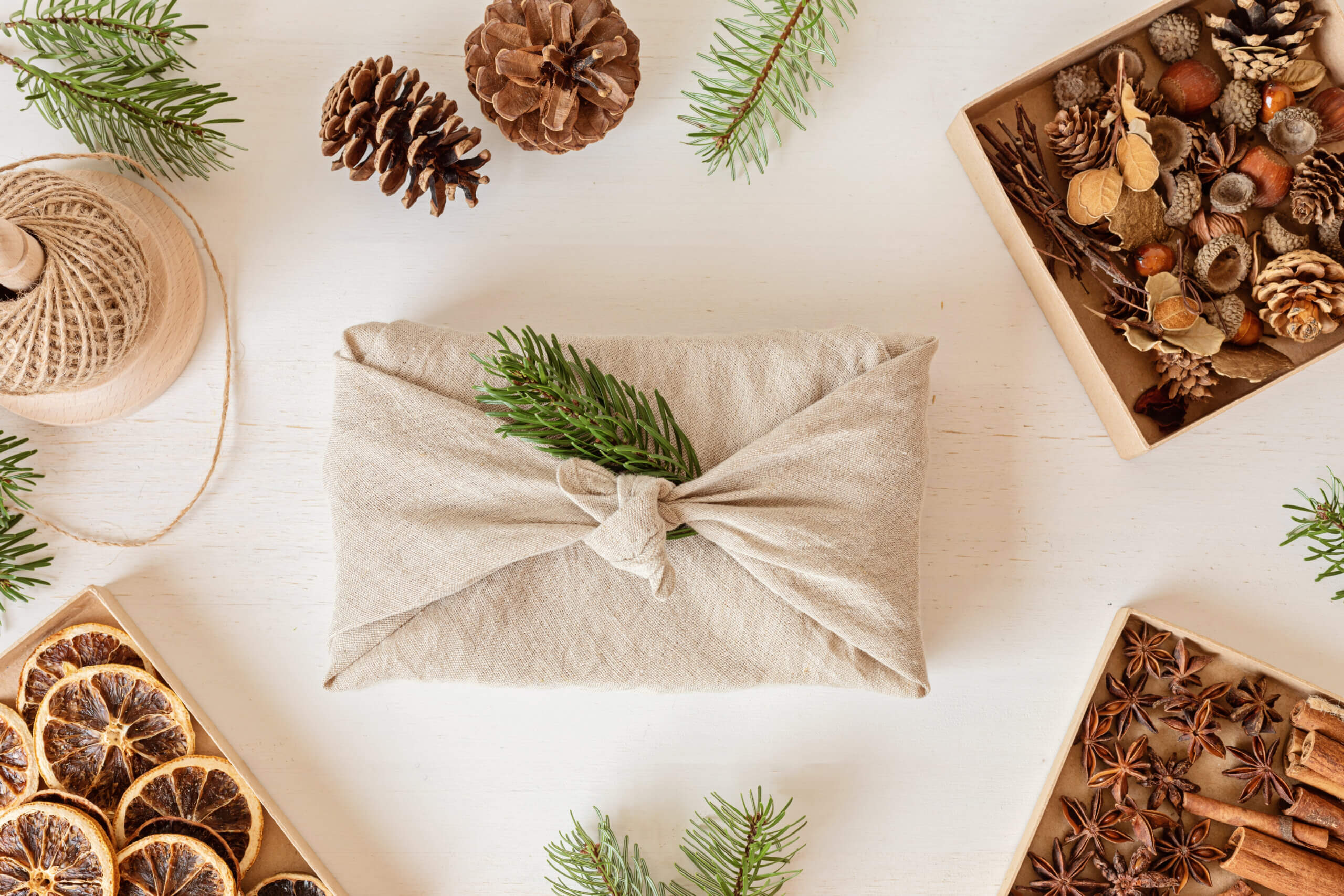
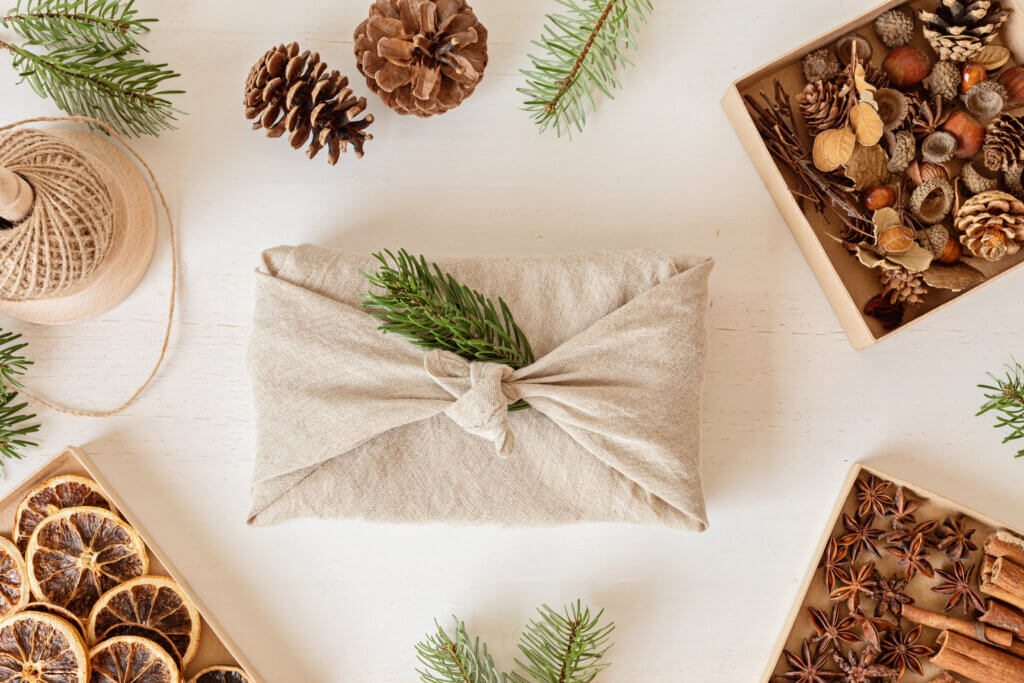
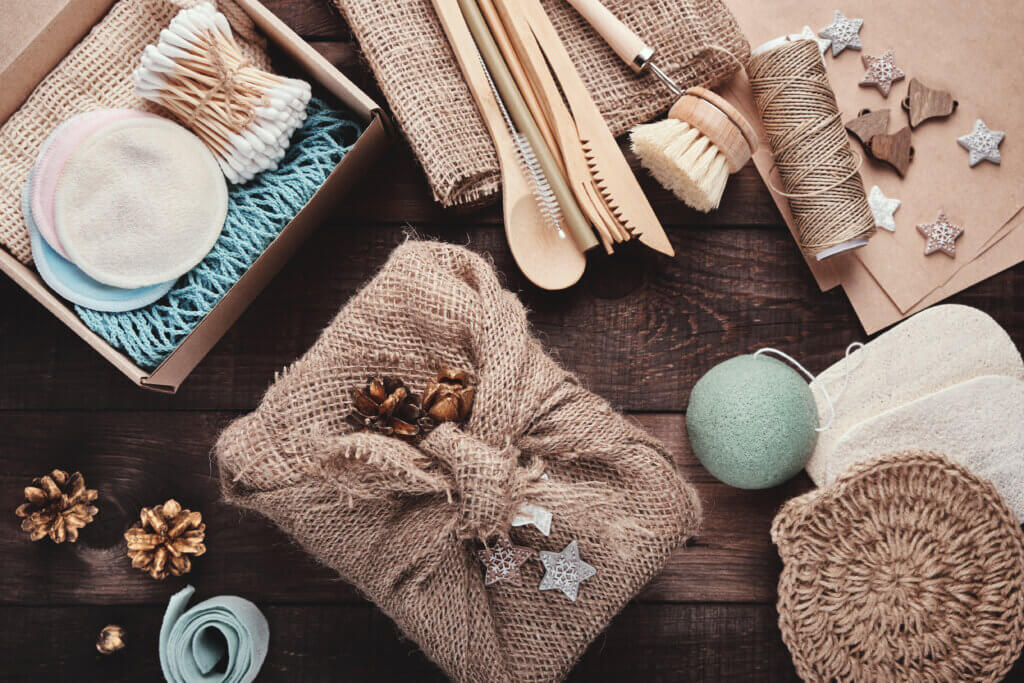
4- Reuse, recycle, repurpose: Gift bags, ribbons, boxes, wrapping paper and wrapping clothes can be used over and over again. Why not consider gifting something from an op-shop? Or perhaps a book you already own and love? There are plenty of creative ways to apply the triple R rule.
5- Choose thoughtful, low-waste gifts: If you really want to buy something for someone you love, I always recommend opting for experiences, services, or sustainable goods from local businesses. These often have a deeper impact and a smaller environmental footprint. In the link below, I’ve included two Australian environmentally friendly brands that I personally use and strongly recommend: Go for Zero and Biome.
The Ripple Effect
Changing how we give can inspire others to do the same. One small choice such as buying local, reusing wrapping, or choosing a sustainable gift, can contribute to a much larger cultural shift.
Imagine if every Australian gave just one sustainable gift this Christmas. Waste would drop. Emissions would shrink. And our generosity would truly mean something.
My go-to question when I need to buy a present is: Will this present truly be used… or will it just become waste? I encourage you to ask yourself the same question every time you’re in the hunt for a new present.
***If you enjoyed this post, I invite you to follow me on Instagram. This helps me grow and reach more people who want to learn about sustainability.