
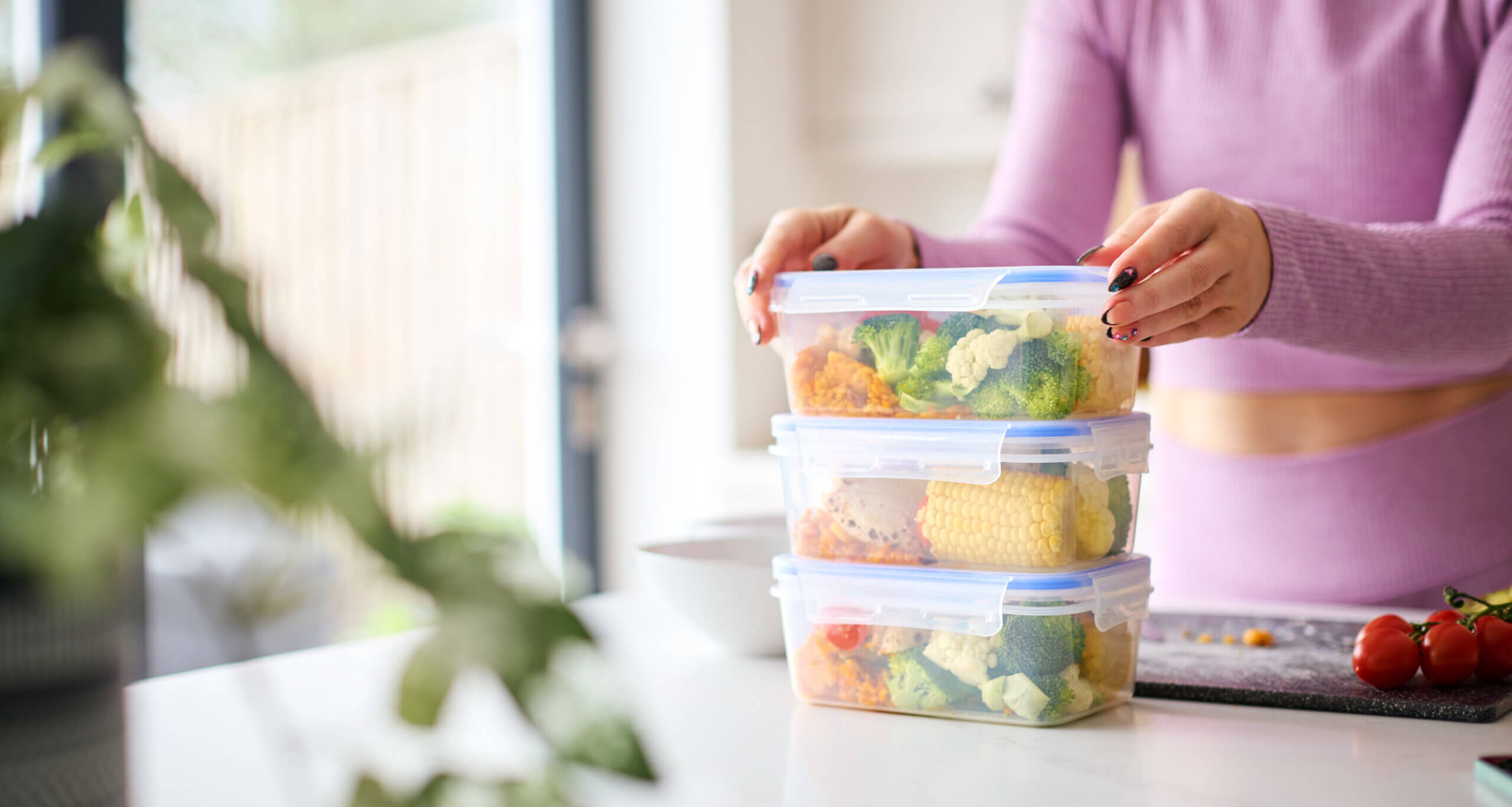

Heating food in the microwave in a plastic container, grabbing a takeaway coffee in a plastic cup, or using beauty products in plastic packaging are very common everyday habits. Plastic appears in almost every aspect of our daily lives.
But what if those daily habits were doing more than just making life convenient?
The documentary Plastic Detox explores a confronting question: could everyday plastics be affecting your fertility?

What Is Plastic Detox Documentary About?
Plastic Detox follows six couples who are experiencing unexplained infertility. After trying conventional options without clear answers, they take part in an experiment that looks beyond traditional causes.
The documentary is guided by Shanna Swan, a leading epidemiologist known for her research on reproductive health and environmental exposures.
Her work focuses on how chemicals found in everyday products, especially plastics, may be affecting human fertility on a larger scale.
Over 90 days, the couples work to reduce their exposure to plastics and the chemicals associated with them. The documentary offers a real life look at how these changes may influence reproductive health.
How Do Plastics Affect Fertility?
One of the central ideas explored in Plastic Detox is the role of endocrine disrupting chemicals found in plastics.
These chemicals, including BPA and phthalates, can interfere with the body’s hormone system. This may impact sperm count, sperm quality, ovulation, and menstrual cycles.
According to research highlighted by Shanna Swan, long term exposure to these chemicals may contribute not only to declining fertility rates but also to changes in early development. In particular, exposure during pregnancy has been associated with variations in the development of male reproductive organs in newborns, reflecting the impact of hormonal disruption during critical stages of growth.
Because hormones are essential for reproduction, even small disruptions can have effects over time, especially when exposure occurs during pregnancy or early development.
The 90 Day Plastic Detox Experiment
At the centre of the documentary is a 90 day experiment involving the six couples.
During this time, they reduce plastic exposure in many areas of daily life. This includes avoiding plastic food packaging, changing personal care products, choosing natural fabrics, and limiting contact with items such as receipts.
The 90 day period is significant because it aligns with the reproductive cycle, particularly sperm development, allowing measurable changes to be observed.
Throughout the experiment, scientists track chemical levels in the body, hormone changes, and fertility markers such as sperm quality.
What Happened to the 6 Couples?
The results are what make Plastic Detox so powerful.
By the end of the experiment, all six couples showed reduced levels of plastic related chemicals. Several participants experienced improvements in fertility markers, and three of the couples became pregnant.
While the documentary does not present this as definitive proof, it does suggest a connection between reducing plastic exposure and improved fertility outcomes.
Some participants also noticed other changes, including better sleep, clearer skin, and reduced inflammation.

Why This Matters for Your Fertility and Health
Plastic Detox brings attention to a bigger issue. Our everyday environment may be influencing our health more than we realise.
While avoiding plastic completely is not realistic, the documentary shows that small, intentional changes may help reduce exposure.
This is particularly relevant for those trying to conceive, planning for the future, or simply wanting to support their overall wellbeing
Final Thoughts
Plastic Detox is not about creating fear. It is about raising awareness and encouraging more informed choices.
It invites us to look more closely at the products we use every day and consider their impact on our health.
So the question remains.
If plastic is part of everyday life, what role could it be playing in your fertility?