
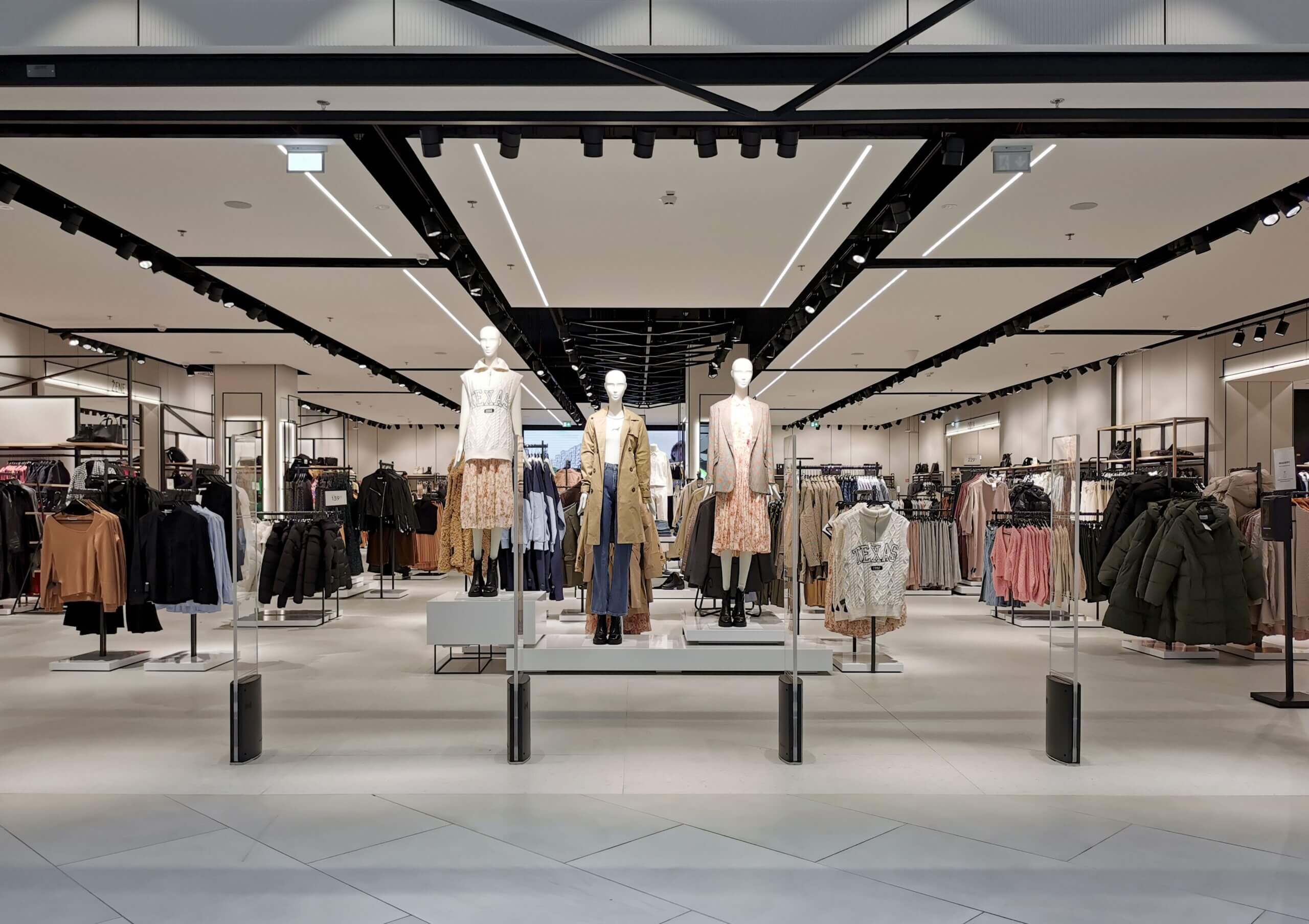


Have you ever heard of fast fashion? If you’re not sure what the term means, here’s a simple clue: it’s like fast food, but instead of food, we’re talking about clothes.
We already know that fast food isn’t great for our health. It’s cheap, convenient, and addictive, but it also harms our bodies and the planet. Now imagine applying the same logic to clothing. The result is exactly the same: bad for the environment and bad for us.
And if fast fashion is already damaging, just imagine what comes next: Ultra fast fashion. Ultra bad.
What Is Fast Fashion?
Fast fashion is the business model popularized by brands like Zara, H&M and others. It’s based on:
- Producing clothes quickly and cheaply
- Releasing new collections every few weeks
- Copying trends from runways and social media
- Encouraging consumers to buy more, more often
This system made fashion more accessible, but it also created serious environmental and social problems across the fashion industry.
According to the United Nations Environment Programme (UNEP), the fashion industry is responsible for around 10% of global carbon emissions and is one of the most resource-intensive industries in the world. Overproduction and overconsumption are at the heart of the problem.
Fast fashion is already harmful. But ultra fast fashion takes everything to the extreme.
What Is Ultra Fast Fashion?
Ultra fast fashion is not just faster fashion. It is a much more aggressive and data-driven business model.
Brands like Shein and Temu operate using:
- Thousands of new products uploaded every day
- Algorithm-driven trend detection
- Micro-production batches tested in real time
- Extremely low prices that encourage impulse buying
- Clothing designed to be worn only a few times
This is not just about speed anymore. It is about volume, disposability, and addiction to constant novelty, which dramatically increases the environmental impact of fashion.
That is why calling it ultra bad is not exaggeration. It is accuracy.
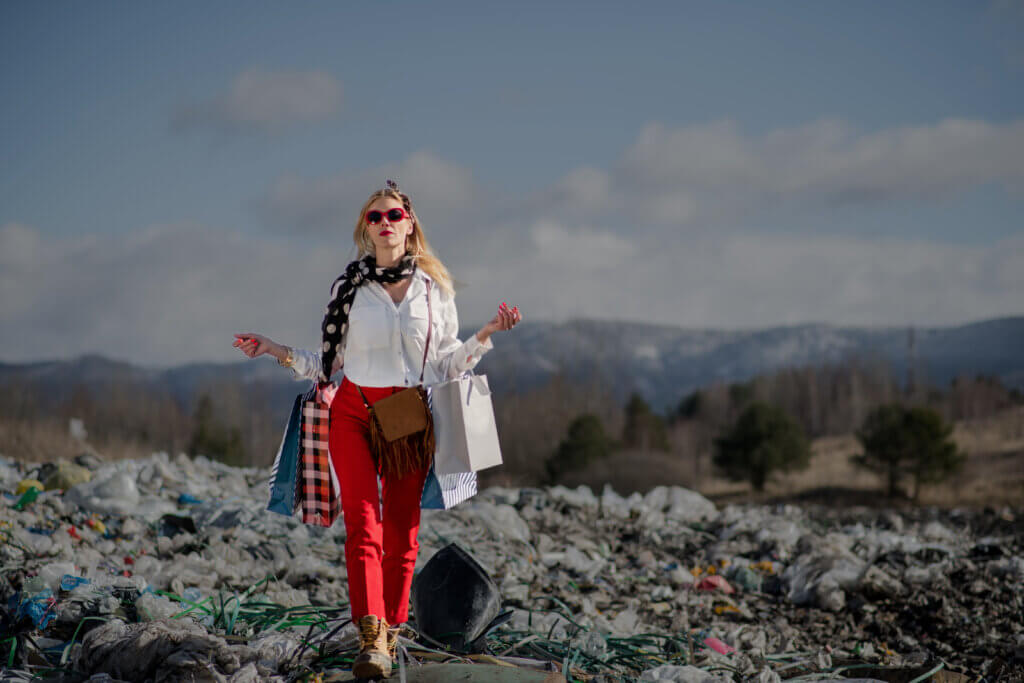
Fast Fashion vs Ultra Fast Fashion (Simple Breakdown)
Fast fashion
- New collections every few weeks
- Trend research done by design teams
- High production volumes
- Encourages frequent buying
Ultra fast fashion
- New products every day, sometimes every hour
- Trends detected by algorithms and social media data
- Millions of items constantly uploaded
- Encourages extreme overconsumption and disposability
Fast fashion encourages overconsumption. Ultra fast fashion normalizes throwaway culture on an unprecedented scale.
France vs Ultra Fast Fashion
France has become one of the first countries to take serious political action against ultra fast fashion.
In 2025, the French Senate approved a bill targeting ultra fast fashion companies, with particular attention to platforms like Shein and Temu. The proposal and legislative process are publicly available on the official website of the Sénat de la République Française or in a report from Reuters: French Senate backs law to curb ultra fast-fashion
The proposed measures include:
- An eco-tax on ultra fast fashion products that increases over time
- A ban on advertising for ultra fast fashion brands
- Obligations for environmental transparency, including eco-scores on products
- Penalties for brands with the worst environmental impact
This sends a strong message. Ultra fast fashion is no longer just a consumer issue. It is a public policy and sustainability issue.
What Could Governments Do Next?
If governments truly want to protect people, workers, and the planet, there are several tools available:
- Green tariffs and eco-taxes:
Countries could apply higher import taxes on ultra fast fashion products based on their environmental footprint. This would make ultra-cheap clothing less artificially attractive. - Advertising restrictions:
Just like regulations on tobacco or junk food, governments could restrict aggressive promotion of ultra fast fashion, especially when it targets young consumers. - Mandatory transparency:
Brands could be legally required to disclose:
- Where the garment was made
- Its carbon footprint
- Its expected durability
- Its environmental impact score
- Support for sustainable and local fashion brands:
Governments could offer tax benefits and subsidies to companies that produce ethically and locally.
What Can We Do as Individuals?
Even if governments are slow to act, individuals have real power to reduce the impact of ultra fast fashion. Here are practical steps:
- Buy less, choose better: Focus on quality, timeless pieces instead of chasing trends.
- Support ethical and sustainable brands: Small or local brands often follow better labor and environmental standards.
- Second-hand first: Thrift stores, online resale platforms, and vintage shopping extend the life of clothing.
- Take care of your clothes: Repair, mend, and wash responsibly to increase their lifespan.
- Spread awareness: Share knowledge about the environmental impact of ultra fast fashion with friends and social media.
Small, consistent actions can add up to real change, and they send a message to brands that consumers value sustainability over disposable trends.
Final Thoughts
Fast fashion changed how we shop. Ultra fast fashion is changing how we value clothing, and not in a good way.
Understanding the difference between fast fashion and ultra fast fashion is essential for anyone who cares about sustainability, ethical fashion, and the environmental impact of the fashion industry.
The good news is that awareness is growing. Governments are starting to react. Consumers are beginning to question their habits. And conversations like this one matter.
Once you see how ultra bad the system really is, it becomes harder to ignore and easier to demand change.