


Have you ever stopped to think about where the power that runs your lights, fridge, or laptop actually comes from? Globally, about 60% of the electricity we use is generated by burning fossil fuels such as coal, oil, or natural gas. In Australia, coal and gas remain the main sources of power.



The Process — Simplified
The basic process of generating electricity works as follows:
- Burning fuel – Fossil fuels are burned to release heat energy.
- Boiling water – This heat boils water, producing high-pressure steam.
- Spinning the turbine – The steam spins a turbine, which drives a generator.
- Making electricity – The generator converts the turbine’s motion into electricity.
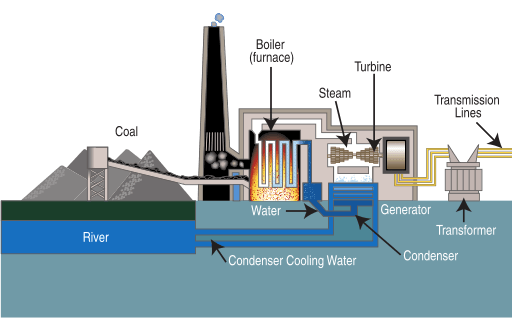
In some gas-fired power plants, combustion directly powers a gas turbine, or a combined cycle system is used for higher efficiency.
The Problem With Fossil Fuels
While electricity from fossil fuels is reliable, it comes at a high environmental cost.
Burning these fuels releases carbon dioxide (CO₂), one of the major greenhouse gases responsible for climate change. When global temperatures rise, the planet experiences more extreme weather events such as prolonged heatwaves, intense floods, severe droughts, and stronger storms. Reducing our reliance on fossil fuels is crucial to protecting the planet and preventing even more severe consequences.
The Shift to Renewables
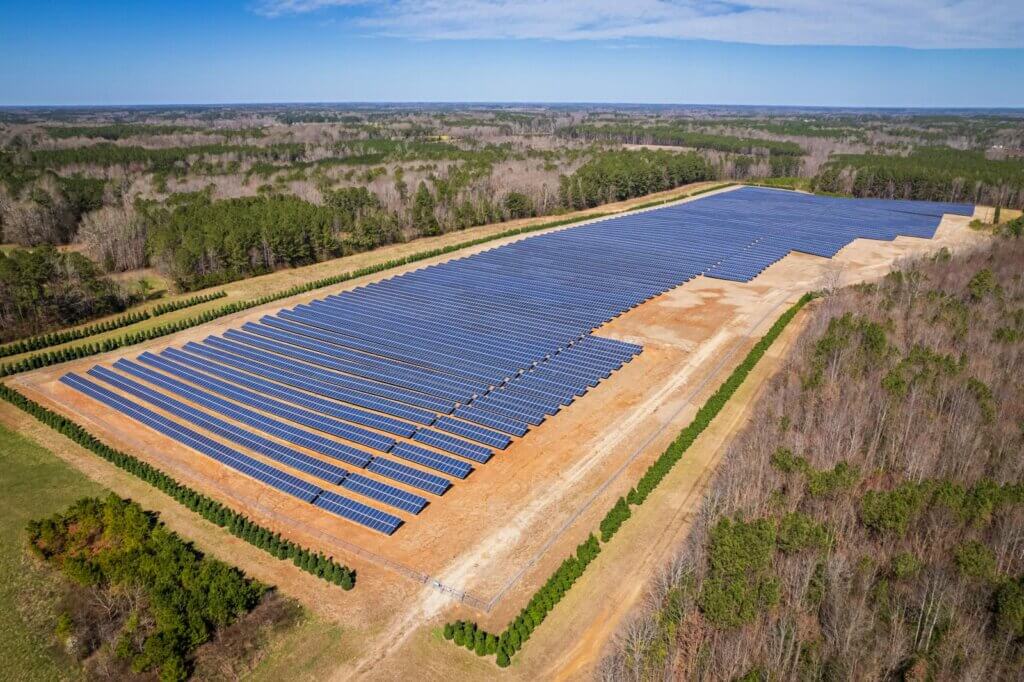
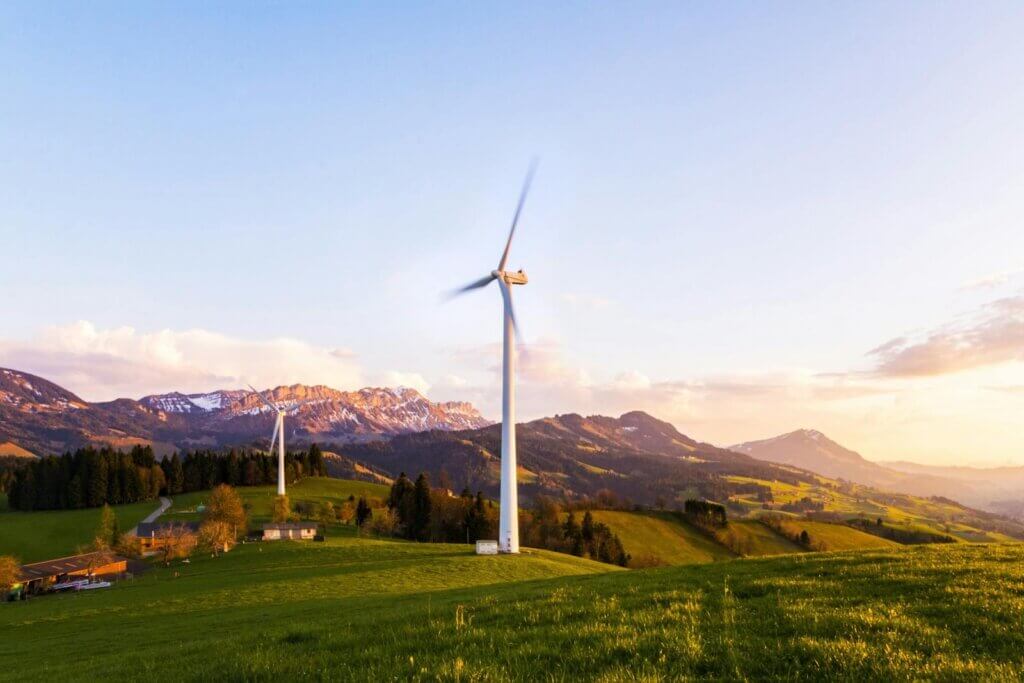
When we talk about “clean energy,” it’s important to be realistic. There’s no such thing as completely impact-free energy; all human activities affect the planet. Even renewable sources like solar, wind, and hydro have environmental footprints: they require raw materials, affect ecosystems, have limited lifespans, and can be challenging to recycle. That said, compared to fossil fuels, renewables are far less harmful. They produce little to no greenhouse gas emissions during operation, are becoming more affordable, and more countries are choosing them as key solutions to reduce the worst effects of climate change.
What You Can Do as an Individual
You might not run a power station, but you do have influence over your personal energy footprint. Here are ways to reduce your reliance on fossil-fuel-based electricity:
- Choose renewable energy – Select a provider offering renewable energy options, or if you can install solar panels at home.
- Reduce consumption – Turn off lights and devices when not in use. Use LED bulbs to save energy.
- Use appliances efficiently – Invest in energy-efficient appliances and improve home insulation to reduce heating and cooling needs.
- Rethink consumption – Buy sustainable products and avoid unnecessary purchases.
- Time your energy use – If your provider offers cheaper “off-peak” renewable energy, run appliances like dishwashers and washing machines during those times.
- Support clean energy policies – Add your voice to petitions, community initiatives, or local government consultations pushing for renewable energy adoption.
- Switch to a fossil-free bank – Move your money to a bank that doesn’t invest in coal, oil, or gas projects.
- Check your superannuation – Research where your super fund invests. Many offer options that avoid fossil fuel industries and focus on sustainable projects.



The electricity we take for granted comes with an impact we can’t ignore. Every time we flick a switch, there’s a chain of events, and consequences, behind it. The reality is that our choices, no matter how small they seem, can either fuel the problem or be part of the solution.
Resource https://www.aer.gov.au