

What is Climate Change?
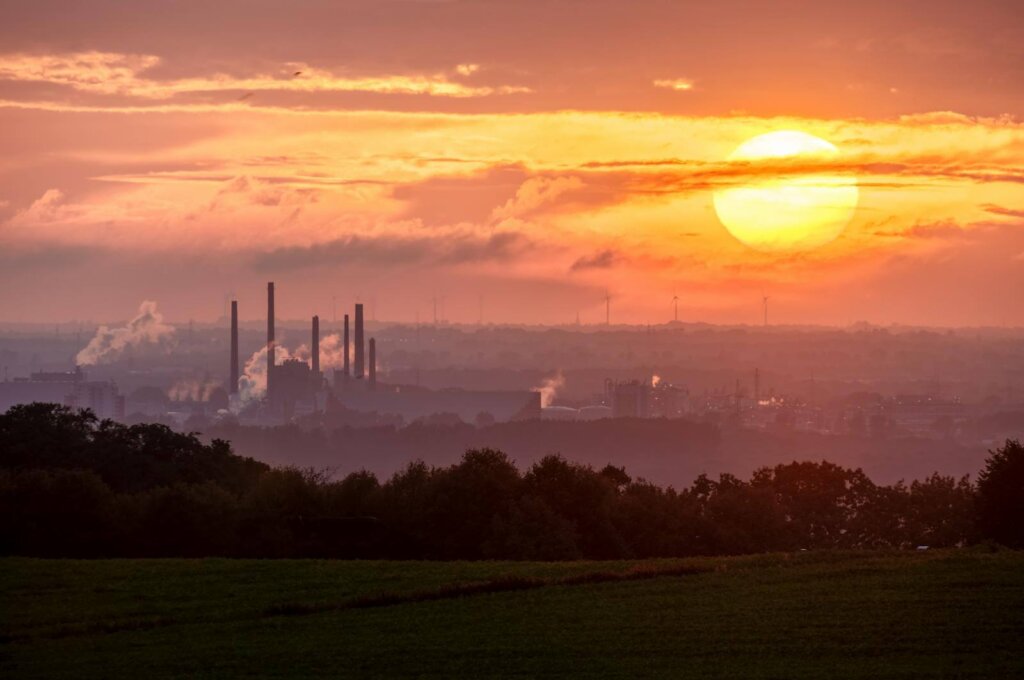
According to the United Nations, climate change refers to the long-term shift in temperatures and weather patterns. While these shifts can occur naturally, such as changes in the sun’s activity or large volcanic eruptions, human activities have been the main driver of climate change since the 1800s. The burning of fossil fuels like coal, oil, and gas have been the leading cause of Climate Change. These activities release greenhouse gas emissions into the atmosphere. These gases act like a blanket wrapped around the Earth, trapping the sun’s heat and causing global temperatures to rise
What are the primary greenhouse gases contributing to climate change?
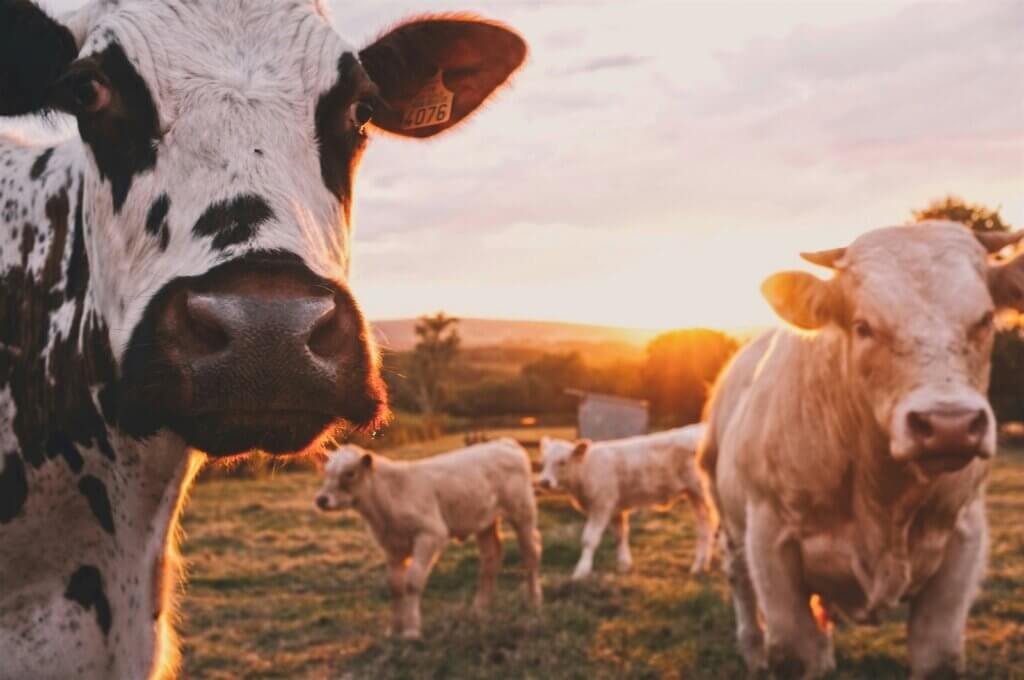
Carbon dioxide and methane are the primary greenhouse gases driving climate change. For example, when we drive cars using petrol, we emit CO2 into the atmosphere. Similarly, heating homes with coal also releases CO2. Methane emissions primarily result from agriculture, such as livestock farming, and oil and gas operations. Key sectors contributing to greenhouse gas emissions include energy production, industry, transportation, buildings, agriculture, and land use.
What are the impacts of climate change?
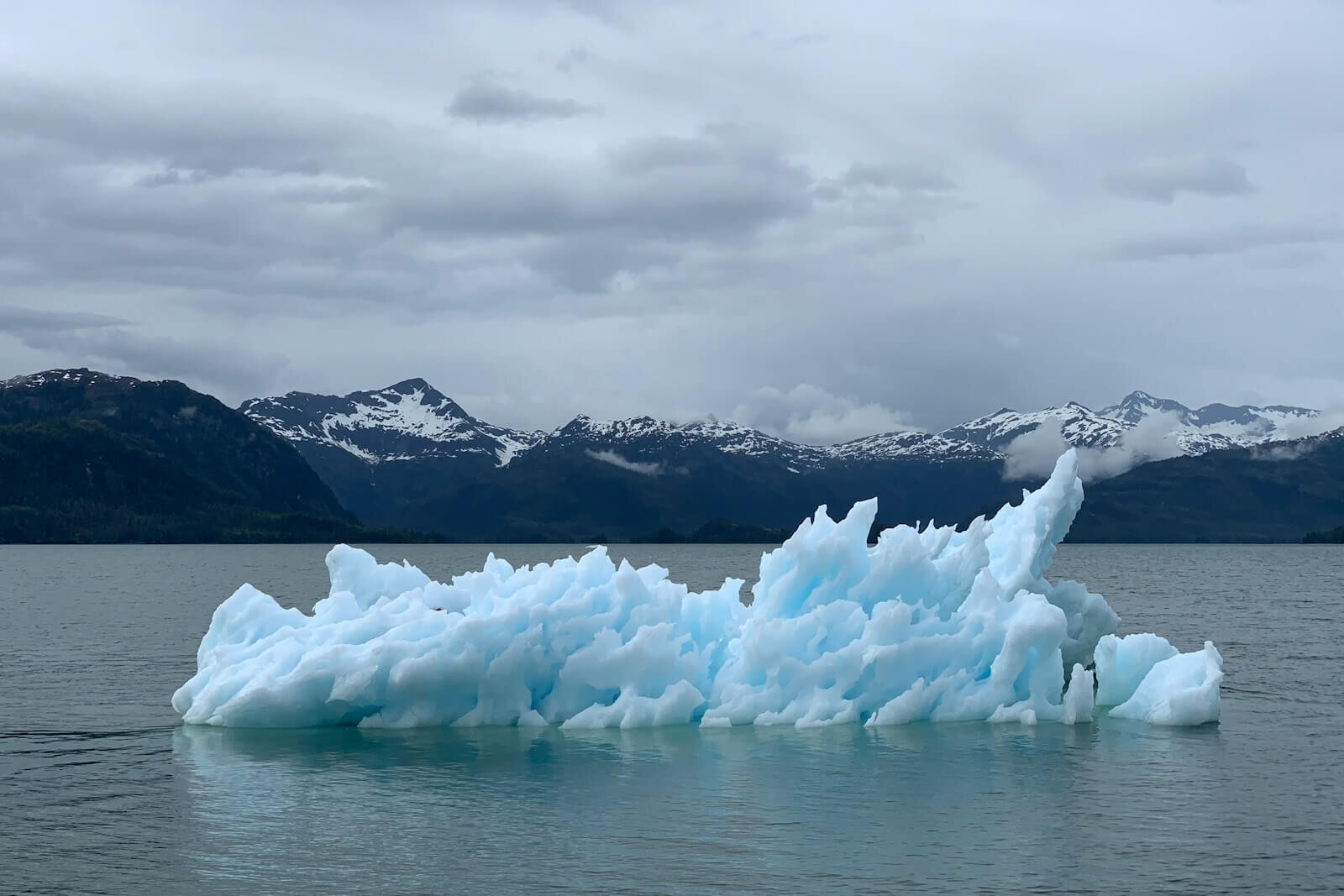
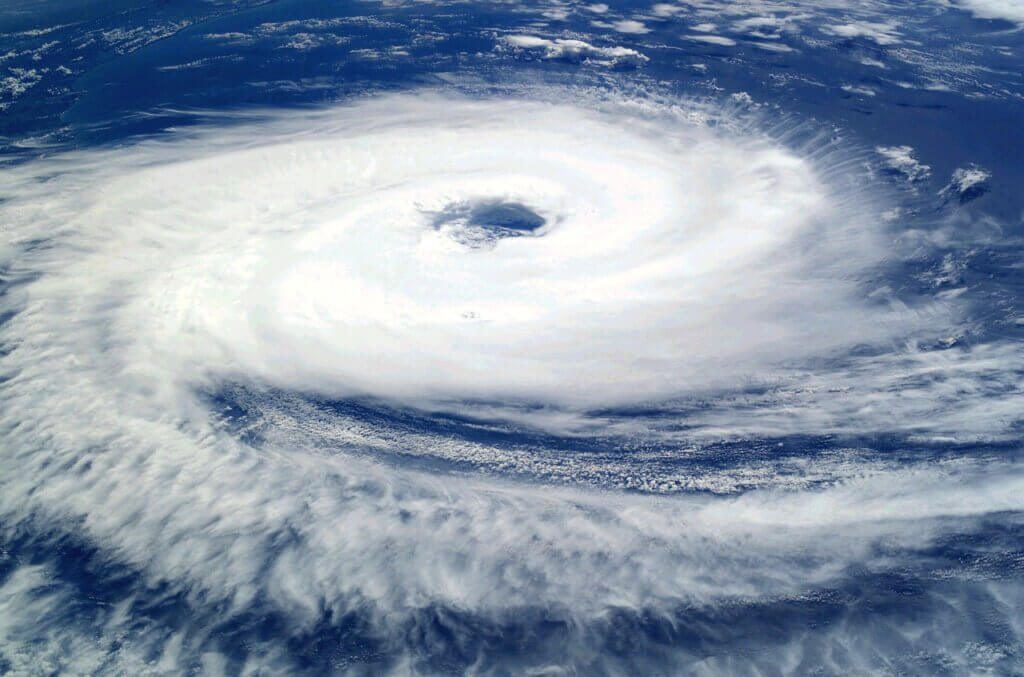
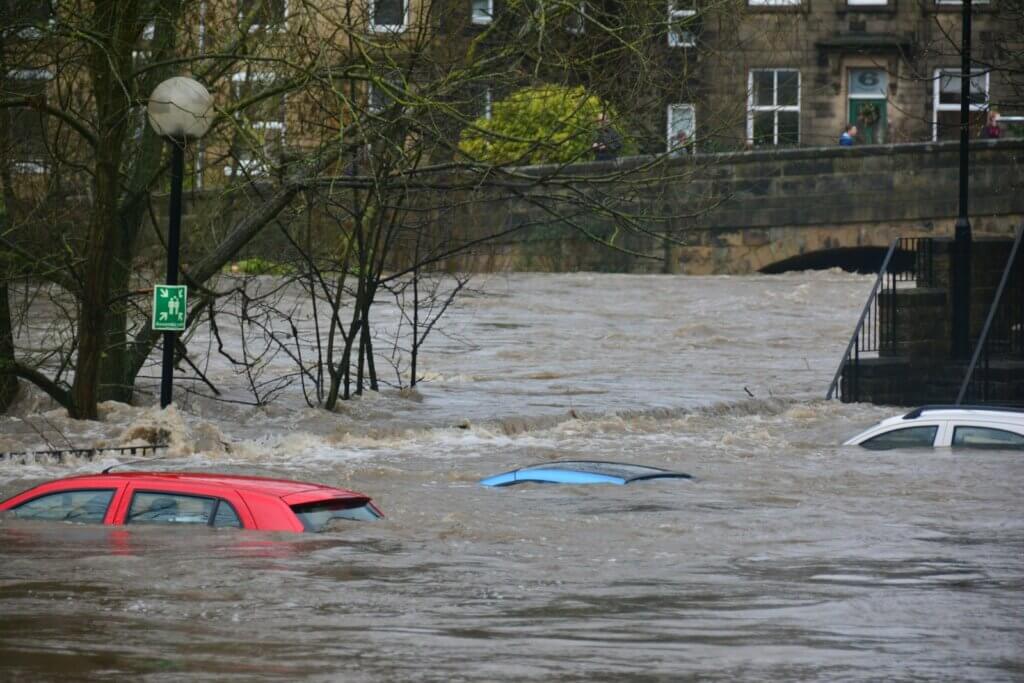
The impacts of climate change go beyond rising temperatures. It’s altering weather patterns, making extreme weather events like hurricanes, droughts, and floods more frequent and severe. Melting glaciers and rising sea levels are threatening coastal communities, while shifts in ecosystems are endangering countless species.
Impacts:
- Melting glaciers and rising sea levels, threatening coastal areas
- More extreme weather events, such as intense storms, prolonged droughts, and floods
- Disruption of ecosystems, putting many animal and plant species at risk
- Negative effects on human health, agriculture, and water availability
- Mass displacement of people due to natural disasters
Who is affected by climate change?
Climate change affects everyone, but not all people and places are affected equally. It isn’t just an environmental issue, it’s also a social and economic one. Vulnerable populations, especially in developing countries, are often the hardest hit. They face food and water shortages, displacement, and health risks, even though they contribute the least to global emissions
Why should I learn more about climate change?
Understanding the definition and causes of climate change is the first step toward addressing it. By making informed choices in our daily lives, like conserving energy, reducing waste, and supporting renewable energy; we can all play a part in combating this global challenge. Additionally, being informed gives us the ability to demand collective action from governments and companies, while also motivating us to make personal changes that, combined with those of others, can create a real positive impact.
Even the smallest rise in global temperatures has an impact:
According to multiple UN reports, thousands of scientists and government reviewers have concluded that keeping global temperature rise below 1.5°C is essential to prevent the most severe climate impacts and ensure a livable planet. However, current policies are projected to result in up to 3.1°C of warming by the end of this century.
It might seem hard to see the significance, after all, who really notices the difference between 30°C and 31.5°C on a summer day? Yet when we consider global averages, even small changes in temperature have major consequences for the Earth’s climate system. For instance, scientists say that a 1.5°C rise means the Arctic will be ice-free in summer once every 100 years, but a 2°C rise would mean once in every 10 years. Even that seemingly small shift in temperature means that once a century weather event will effectively occur every decade.
It’s time we act on this global crisis. Climate change is already impacting our world, and ignoring it is no longer an option. The first step is educating ourselves, because knowledge empowers us to take meaningful action.