
What is Fast Fashion?


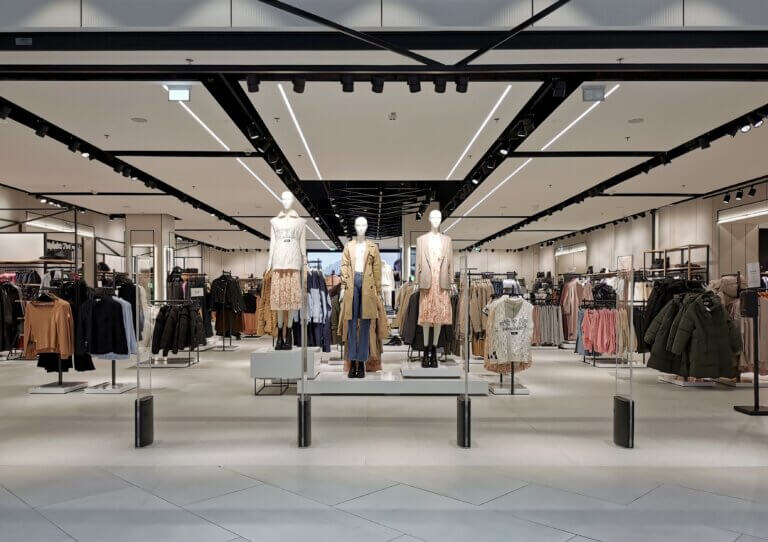
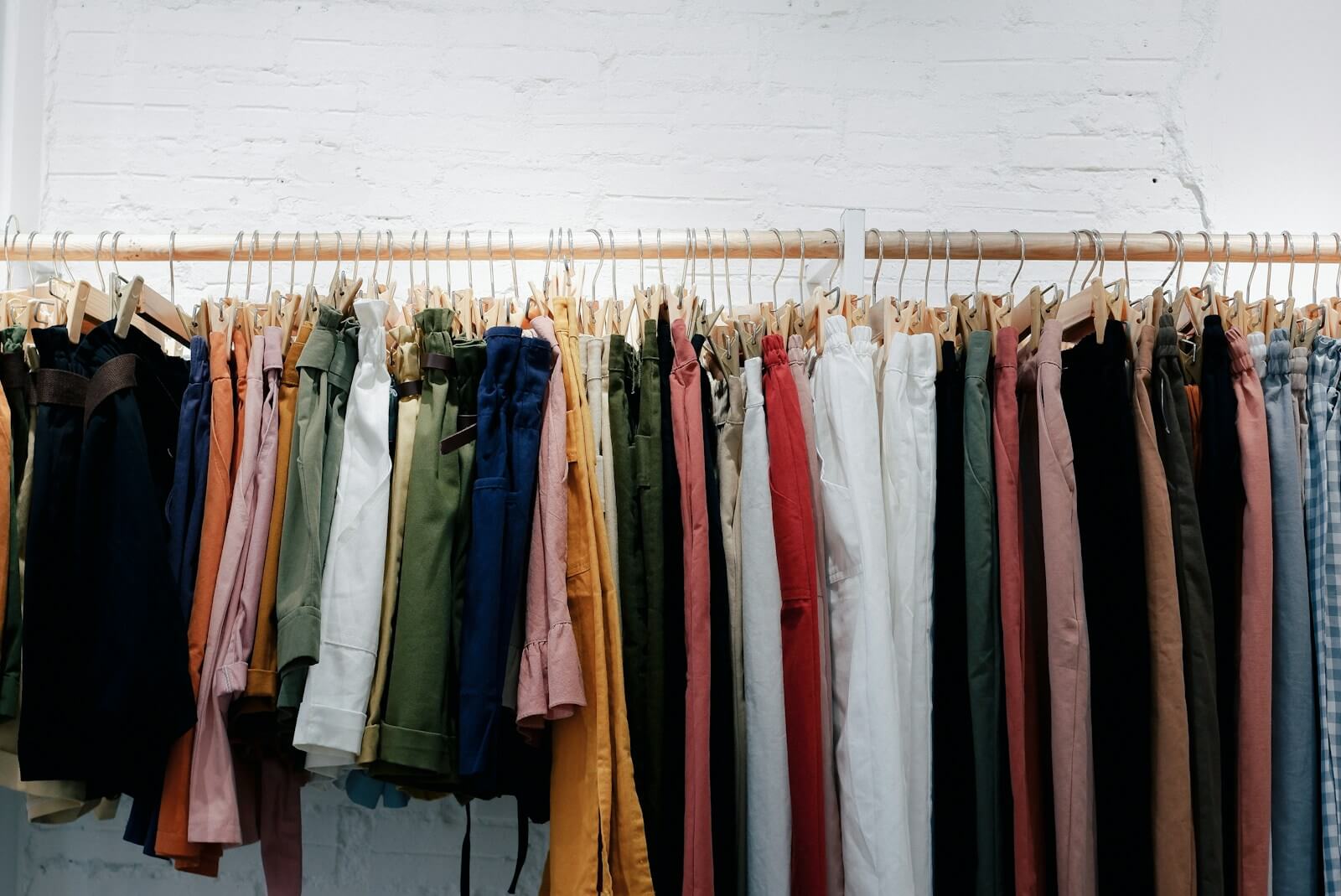
Fast fashion is a business model of clothing production and consumption characterized by the rapid creation and distribution of garments at low prices. It is designed to encourage customers to create new looks, which, of course, means buying more.
Environmental Impact of Fast Fashion
Fast fashion, being an almost disposable type of clothing, drives a constant demand for production. The more we buy, the more clothing needs to be manufactured. This involves higher electricity consumption for production, increased use of materials, and more intensive logistics to distribute the garments.
A study by Business Insider reveals that clothing production generates approximately 10% of global carbon emissions, a figure similar to that emitted by the entire European Union. This industry consumes large amounts of water and pollutes rivers and streams. Additionally, 85% of manufactured textiles end up in landfills each year. Furthermore, washing garments releases about 500,000 tons of microfibers into the ocean annually—an amount equivalent to 50 billion plastic bottles.
Much of fast fashion is made from plastic fibers such as polyester and nylon. Plastic is produced from fossil fuels, and when fossil fuels are burned, carbon dioxide is released into the atmosphere, contributing to climate change.
Fast Fashion Waste:
According to Seamless Australia in 2024, 222,000 tons of clothing ended up in landfills in Australia alone. Worldwide, it is estimated that 92 million tons of textiles end up in landfills each year. To put this in perspective, the equivalent of a rubbish truck full of clothing is sent to landfills every second.
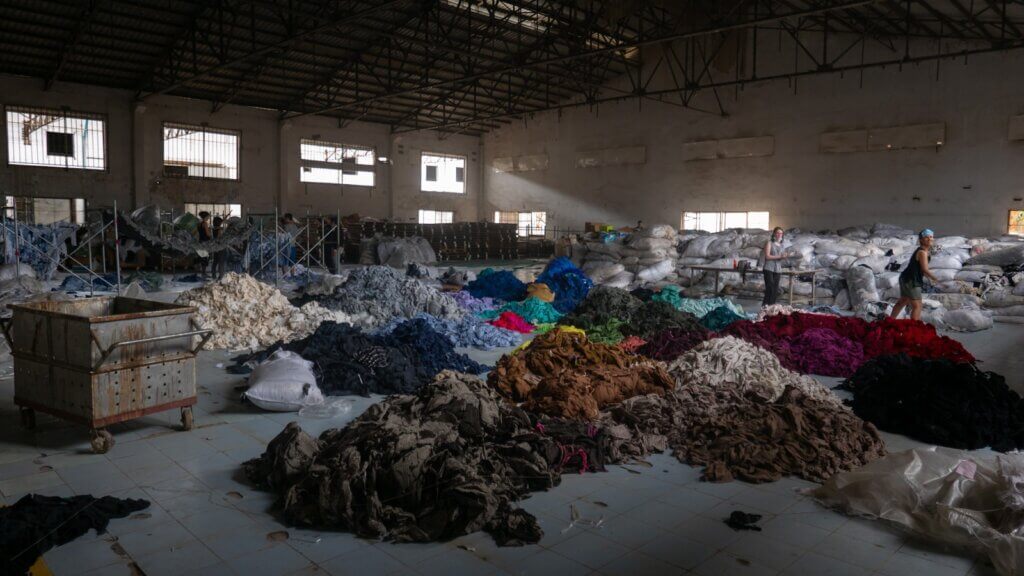
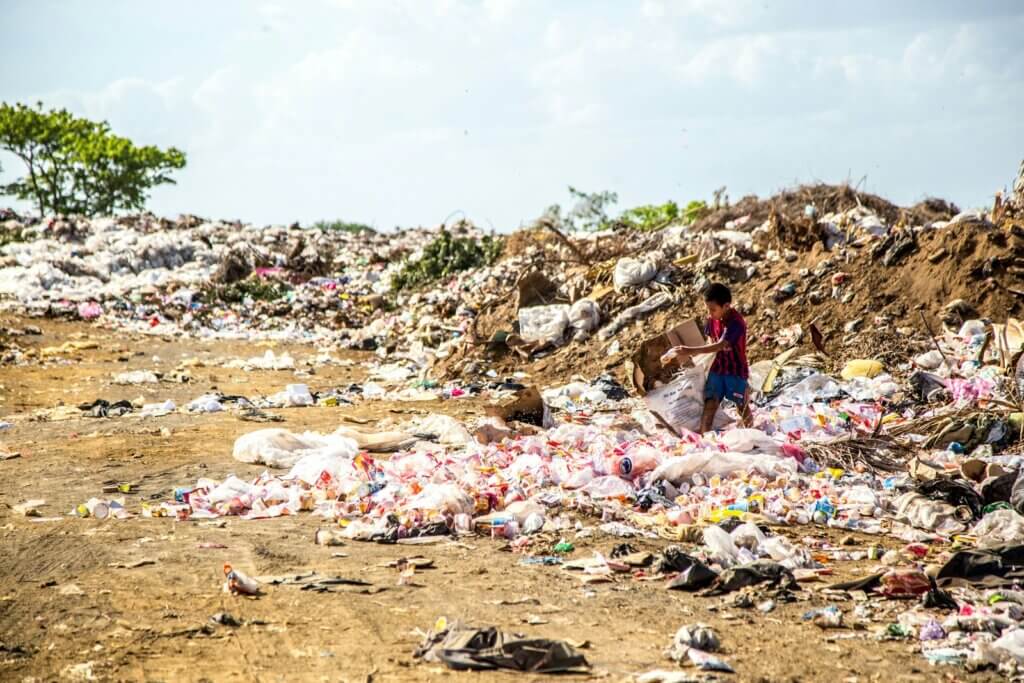
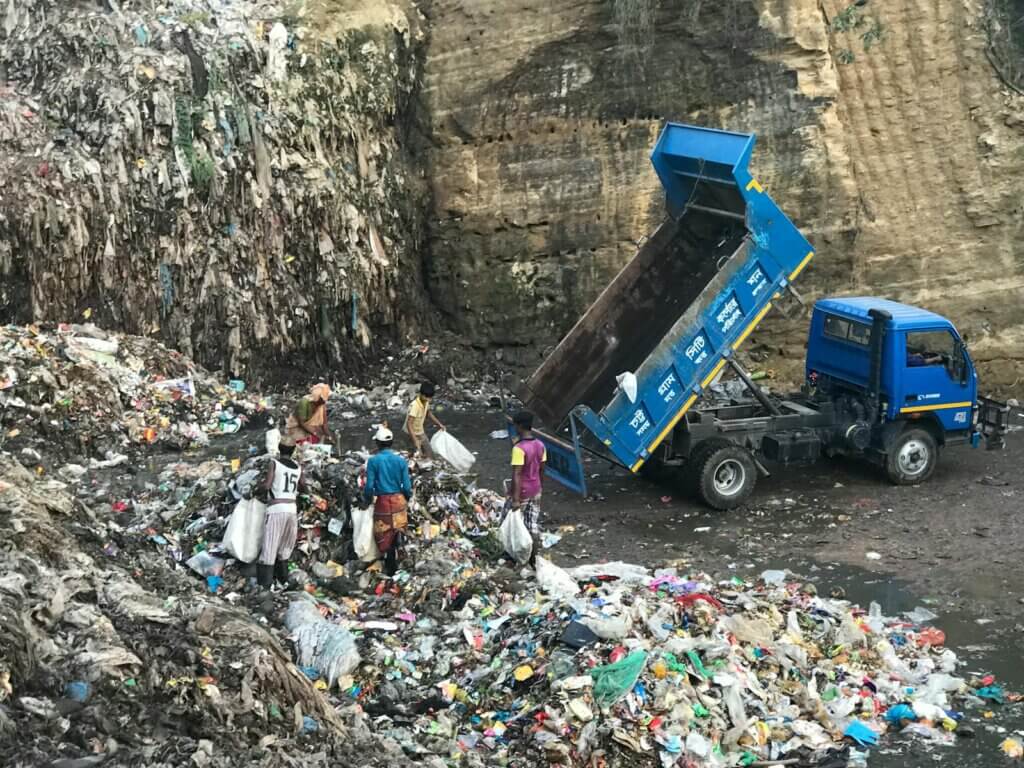
Have you heard about the clothing landfill in the Atacama Desert? Chile receives discarded clothing every year from various origins, including Europe, Asia, and North America. When it arrives at the Iquique Free Trade Zone (Zofri), it is sorted and attempts are made to resell it. However, not all of it is resellable or suitable for recycling, so it ends up being discarded in the desert.
How Can We Mitigate the Impact of Fast Fashion?
We can take several actions, both individually and collectively. Here are some ideas:
- Buy less and consciously: Before purchasing, reflect on whether you really need a new piece of clothing. If you do buy, prioritize quality over quantity.
- Choose sustainable clothing: Support brands that use organic, recycled, or fair-trade materials, and practice ethical and environmentally respectful production.
- Buy second-hand clothing: Op shops or clothing swaps are excellent ways to reduce demand for new garments while giving clothes a second life that can last many more years.
- Take care of your clothes: Extend the lifespan of your garments by washing them less frequently, avoiding the dryer, and repairing damaged items instead of discarding them.
- Participate in recycling initiatives: Many brands offer programs where you can hand in used clothes for reuse or recycling.
- Research and educate yourself: Learn more about the brands you buy from and their environmental impact. Support those committed to sustainability.
- Prefer timeless fashion: Choose versatile, good-quality garments that don’t go out of style quickly, allowing you to wear them for years.

Remember: Anti-trend fashion is trendy.
Every small action counts, and we can all contribute to reducing the demand for fast fashion. By adopting a more conscious consumption model, we can create significant change toward more sustainable, environmentally respectful fashion with a lower impact on climate change.