

Table of Contents
Plastic is a man-made material created mostly from fossil fuels. It’s light, strong, and easy to shape, which makes it useful for almost everything, from bottles and bags to toys and clothes. Its low cost and versatility have made plastic a part of our daily lives. However, the convenience of plastic comes at a high cost. More than 98% of plastics are made from fossil fuels, and producing plastic involves chemical and energy-intensive processes that release substantial greenhouse gases and other pollutants. This not only contributes directly to climate change but also fuels the growing crisis of plastic pollution, which is now one of the most urgent environmental challenges facing our planet.
The Scale of the Problem
According to the United Nations Environment Programme (UNEP, 2025):
- 400 million tons of plastic are produced globally each year, and this is expected to triple by 2060.
- Around 11 million tonnes of plastic enter the ocean annually, the equivalent of 2,000 garbage trucks dumping plastic into our waters every day.
In Australia, the situation is equally concerning:
- Australians produce 2.5 million tonnes of plastic waste each year, or roughly 100 kg per person.
- Only 13% of this plastic is recovered, while 84% ends up in landfills.
The Australian Plastics Recycling Survey (2018–19) found:
- 3.5 million tonnes of plastics were consumed.
- 393,800 tonnes were recovered, including 72,000 tonnes sent to energy recovery.
- The national plastics recovery rate was just 11.5%.
- Of the plastics collected for reprocessing, 52% was processed in Australia, while 48% was exported.
Most plastics in Australia (60%) come from imported goods, with only 36% made using virgin resins (new plastic) and 4% using recycled resins. Globally, just 9.5% of all plastic is made from recycled material (Nature, 2025).
How Plastic Harms the Environment?
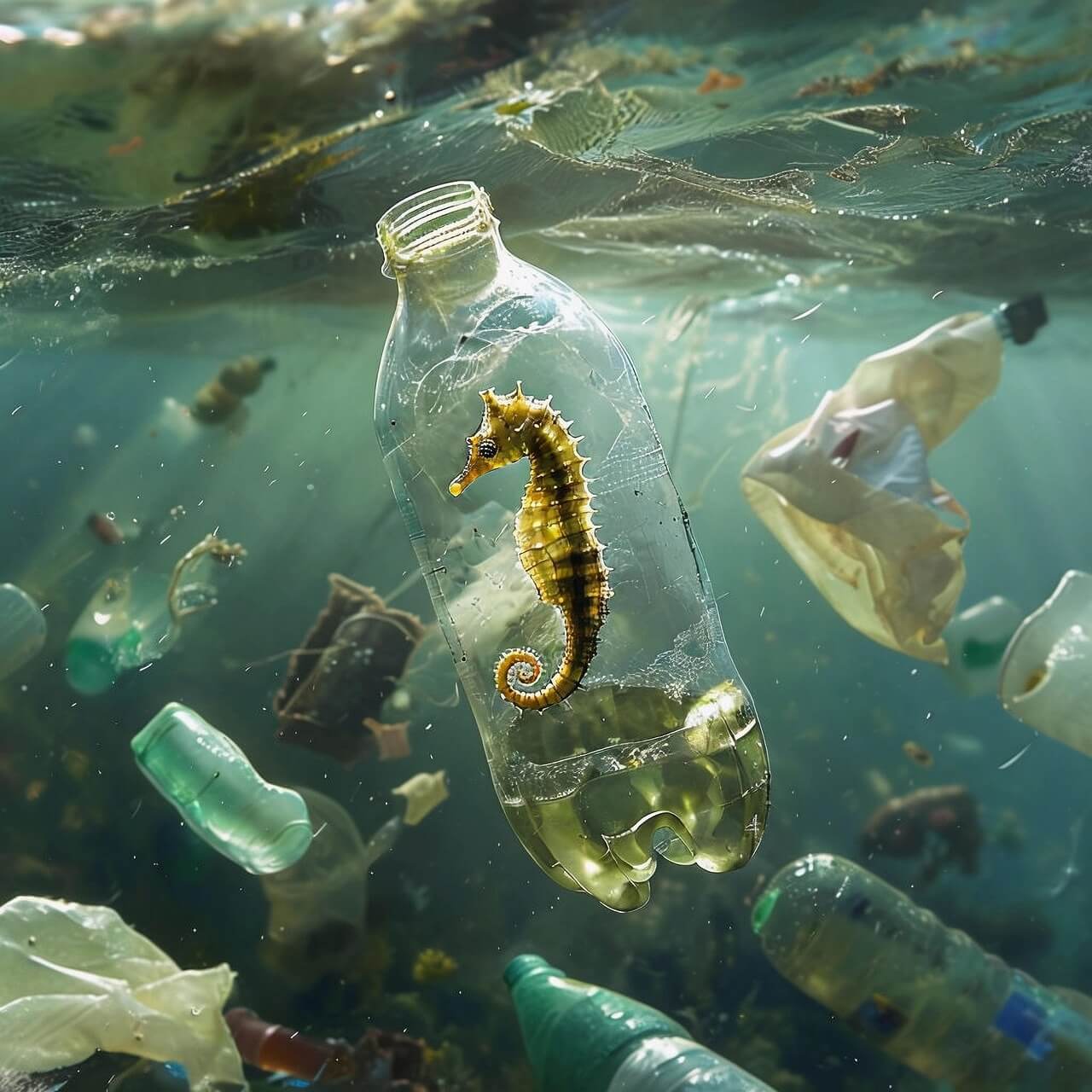
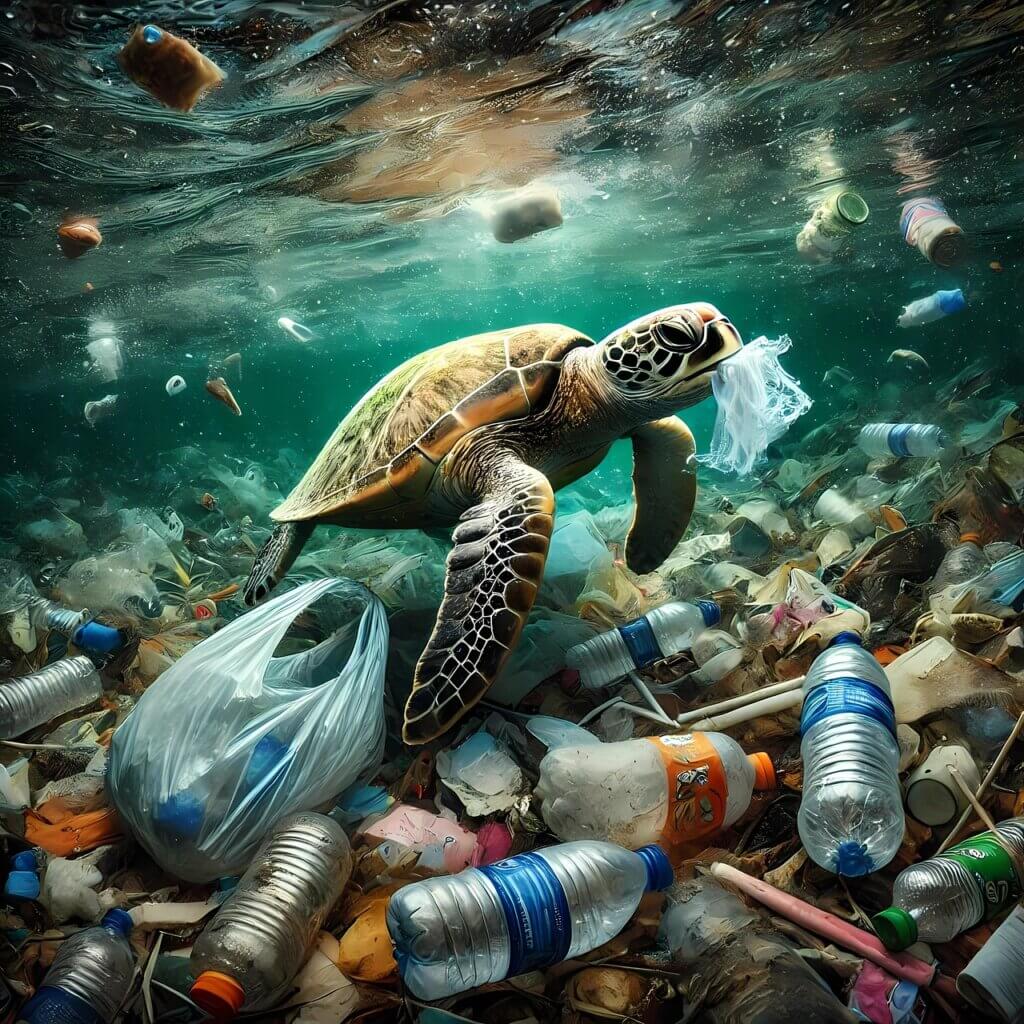
Plastic pollution is harmful to wildlife. Many animals mistake plastic for food, which can be deadly. From small animals like birds to large ones like whales, many have been found with stomachs full of plastic.But the danger isn’t always visible. Research shows that tiny plastic particles—microplastics—are entering the food chain, moving from smaller animals to larger ones, and eventually reaching humans.
Microplastics are not only found in seafood, they have also spread into the soil where we grow our food, the water we drink, and even the air we breathe. Recent research shows that humans are inhaling, ingesting, and absorbing microplastics, which have been found in the heart, lungs, liver, spleen, kidneys, and brain, and even in the placentas of newborn babies (ACS, 2020). Plastic pollution is no longer just an environmental issue, it’s a serious threat to human health. The choices we make about plastic use, waste, and recycling today will determine the health of both our planet and ourselves in the years to come.
♻️ Recycling: Not the Full Solution
Recycling is often seen as the answer to plastic pollution—but the reality is far more complicated.
- Low recycling rates: Globally, only around 9.5% of plastics are recycled. In Australia, the rate is 11–13%, meaning most plastic waste still ends up in landfills, is incinerated, or escapes into the environment.
- Virgin resins vs. recycled plastics: Most new plastic products are still made from virgin resins—fresh plastic created from fossil fuels. Using recycled plastic is possible, but often more expensive, less available, or technically unsuitable for certain products. This keeps industries dependent on new plastic rather than recycling materials back into new products.
- Infrastructure and export challenges: For years, countries like Australia exported large amounts of plastic waste overseas. Stricter import bans from countries such as China and Malaysia now mean much of that waste has nowhere to go. At the same time, Australia’s local recycling infrastructure is limited, meaning our systems cannot cope with the growing plastic problem.
Recycling is important, but it cannot keep up with the sheer volume of plastic being produced. Without reducing overall plastic use and designing products to be reusable or truly recyclable, we are only delaying the problem, not solving it. Most plastics can only be recycled a few times before they lose quality.
Each time plastic is melted down, its polymer chains break and shorten, making the material weaker, more fragile, and less useful for making strong products. Plastic can be recycled, but only a limited number of times, unlike glass or metal, which can be recycled endlessly without losing quality
What Can We Do?
Even though plastic pollution is a big issue, everyone can help reduce it:

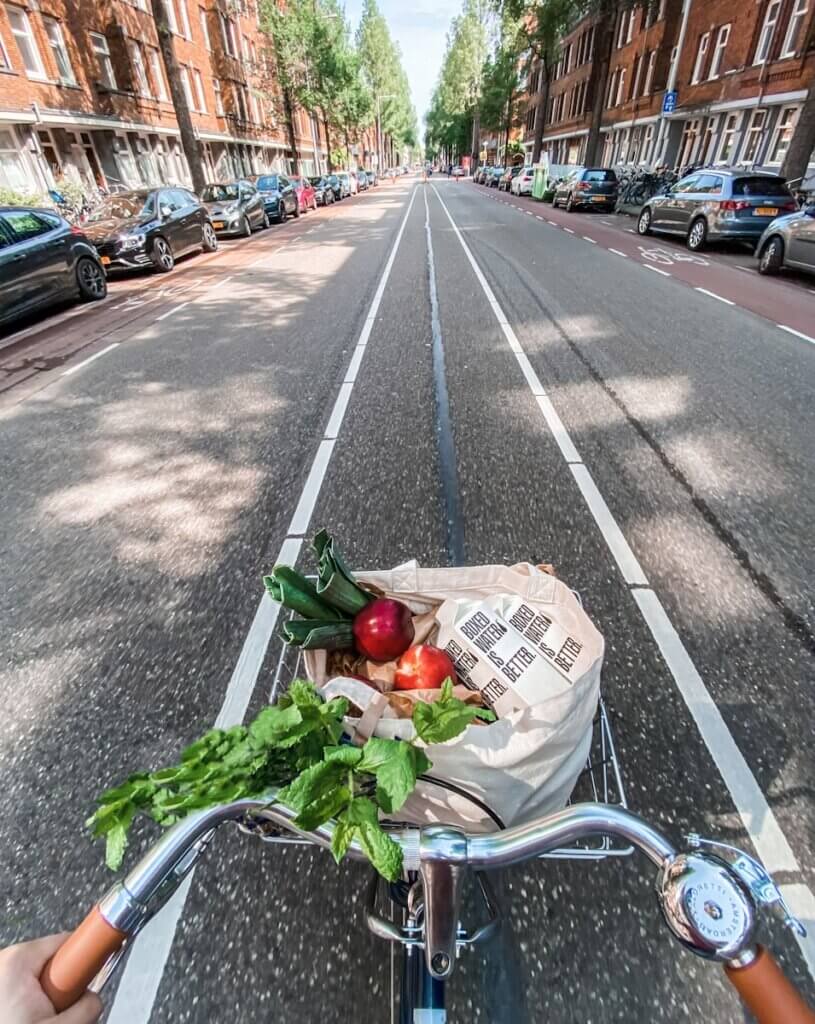
- Say no to single-use plastics: Use reusable bags, bottles, coffee cups, and containers.
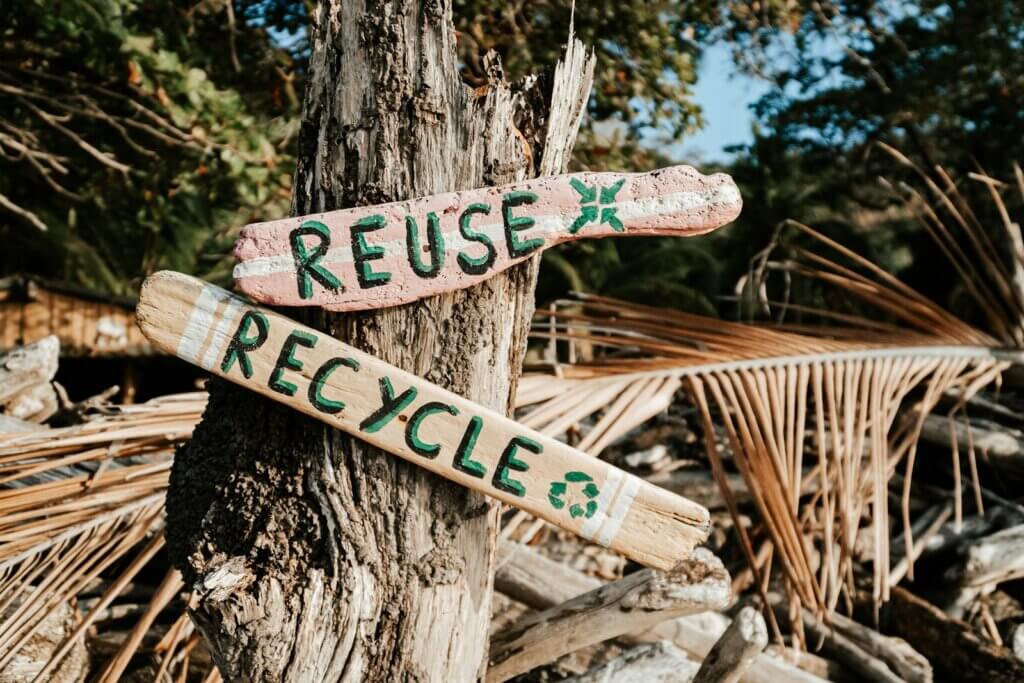
- Support reuse systems: Refillable bottles, containers, coffee cups and packaging.
- Switch to sustainable materials: Promote and use materials that are renewable, recyclable, or compostable (like glass, metal, paper).
- Improve waste management: Support better collection, recycling, and composting systems so plastic doesn’t leak into the environment.
- Recycle correctly: Follow local rules and put plastics in the proper recycling bin.
- Advocate for better policies: Ask governments and businesses to reduce plastic waste.
- Spread awareness: Talk to friends, family, and your community about the importance of reducing plastic.