


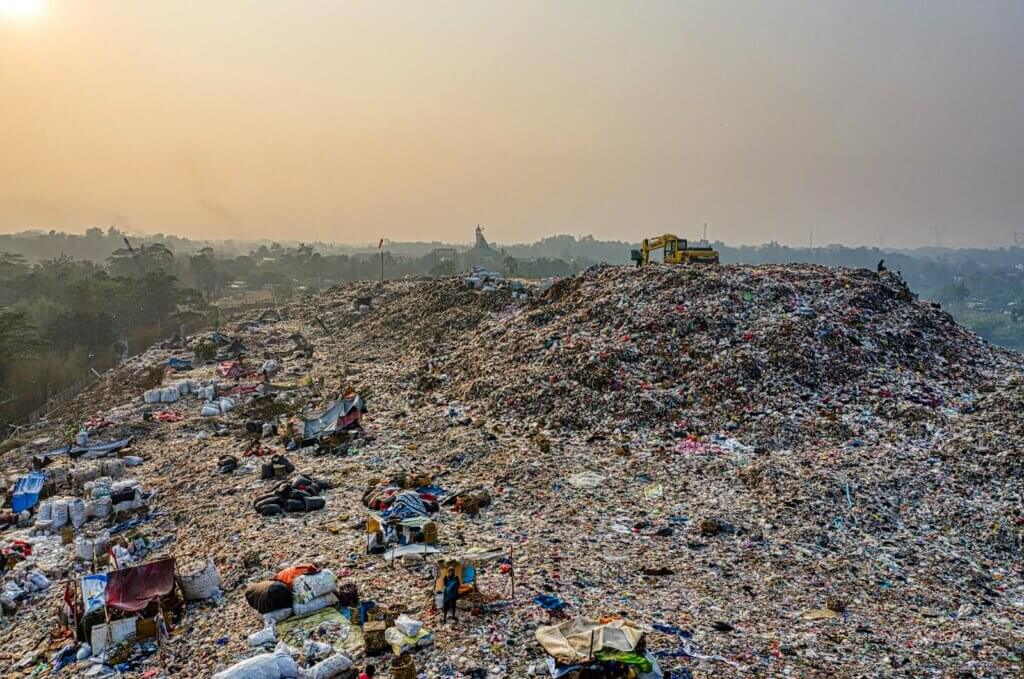
Food waste is one of the biggest environmental challenges we face today. Approximately one-third of the food produced globally ends up being wasted. Wasting food also means wasting all the resources that went into producing it, such as land, water, fertilizers, and the energy used for transportation and storage.
The Problem with Food Waste
When food waste ends up in landfills, it doesn’t decompose as it would in nature. Instead, it gets trapped under layers of waste, where the lack of oxygen prevents proper breakdown, leading to the production of methane gas. Methane is a greenhouse gas that is more potent than carbon dioxide when it comes to trapping heat in the atmosphere, significantly contributing to climate change.
The Benefits of Composting
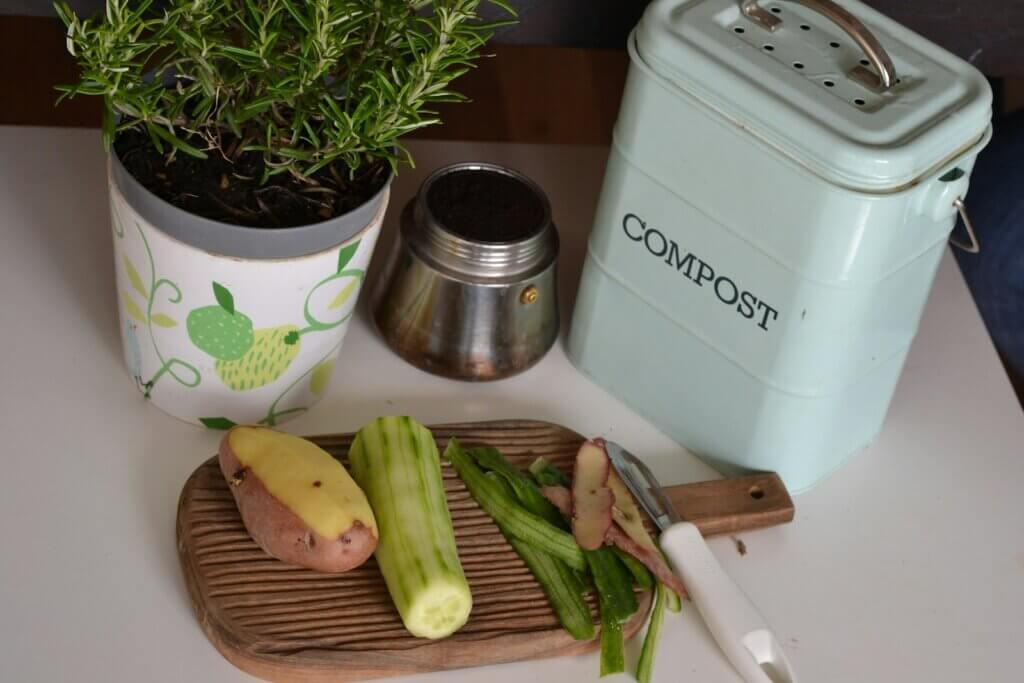
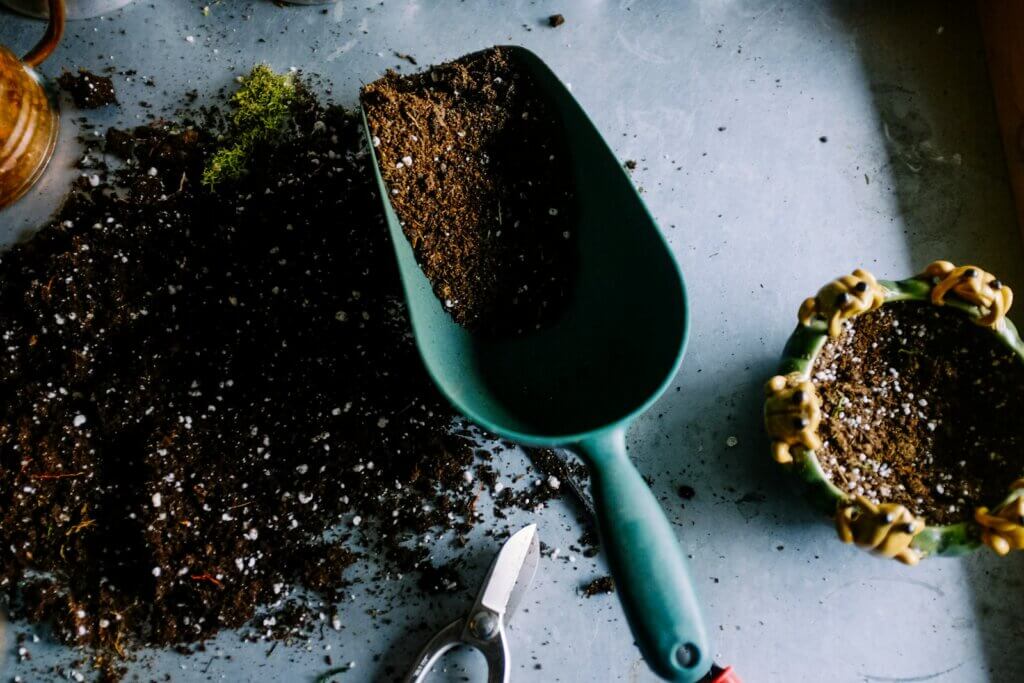
Composting food scraps instead of sending them to landfills helps prevent methane emissions, reducing our contribution to climate change. It also turns food waste into healthy compost that makes soil richer and helps plants grow better. Healthy soil, enriched by compost, retains water better, reducing the need for irrigation and helping plants thrive even in dry conditions.
Another important benefit of composting is that reducing the amount of waste sent to landfills decreases waste management costs. Composting also supports a circular economy by turning waste into a valuable resource, creating a more sustainable system for managing organic waste.
Three Ways to Compost
Composting at home can be simple, and there are various methods to choose from depending on your living situation:
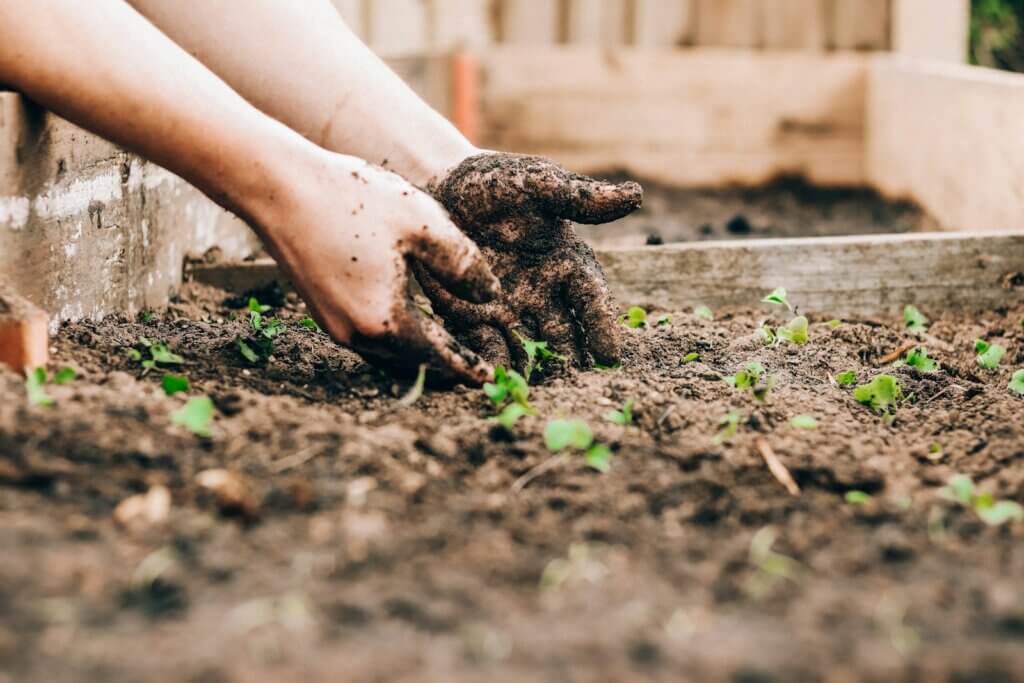
- Backyard Composting – A compost bin or pile in your garden allows you to turn food scraps and yard waste into compost over time. I personally use a composting tumbler, which I rotate two to three times a week to allow air in. In a couple of months, I have rich soil for my plants.
- Worm Composting (Vermiculture) – Using worms to break down food waste is a great option for those with limited outdoor space.
- Municipal Composting Programs – Many cities offer organic waste collection services. It is worth checking with your local council to see if they provide compost bins or pick-up services.
Smarter Shopping: Preventing Food Waste Before It Happens
First and foremost, one of the simplest ways to reduce food waste is to make sure you use up what’s already in your fridge and pantry before heading to the supermarket. So often we find ourselves grocery shopping while there’s still plenty of perfectly good food at home, it just takes a little creativity to turn those ingredients into a meal.
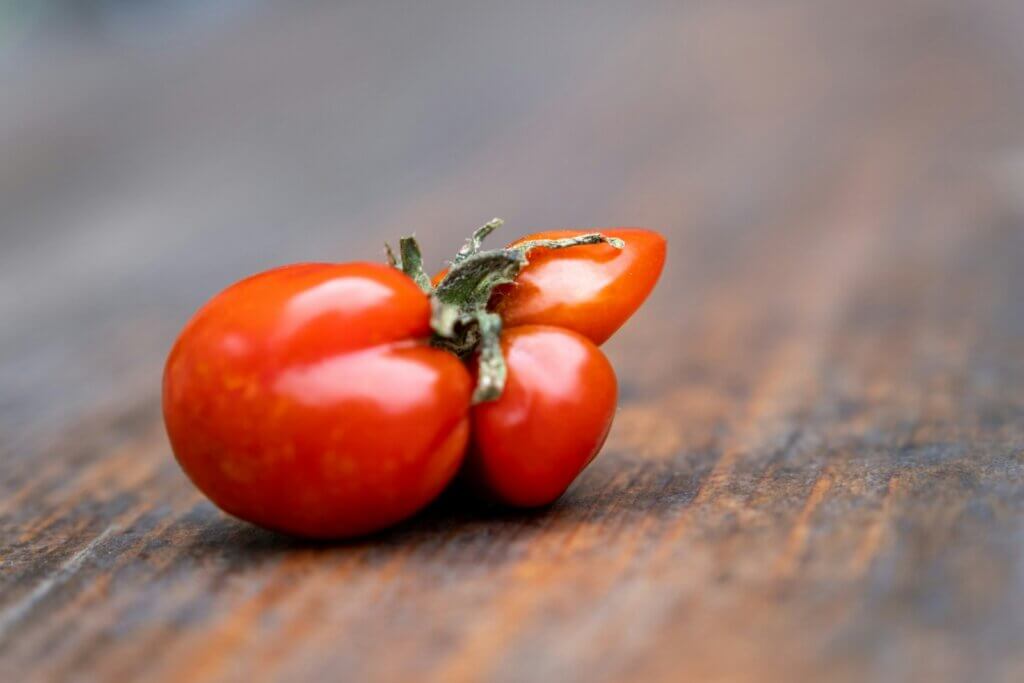
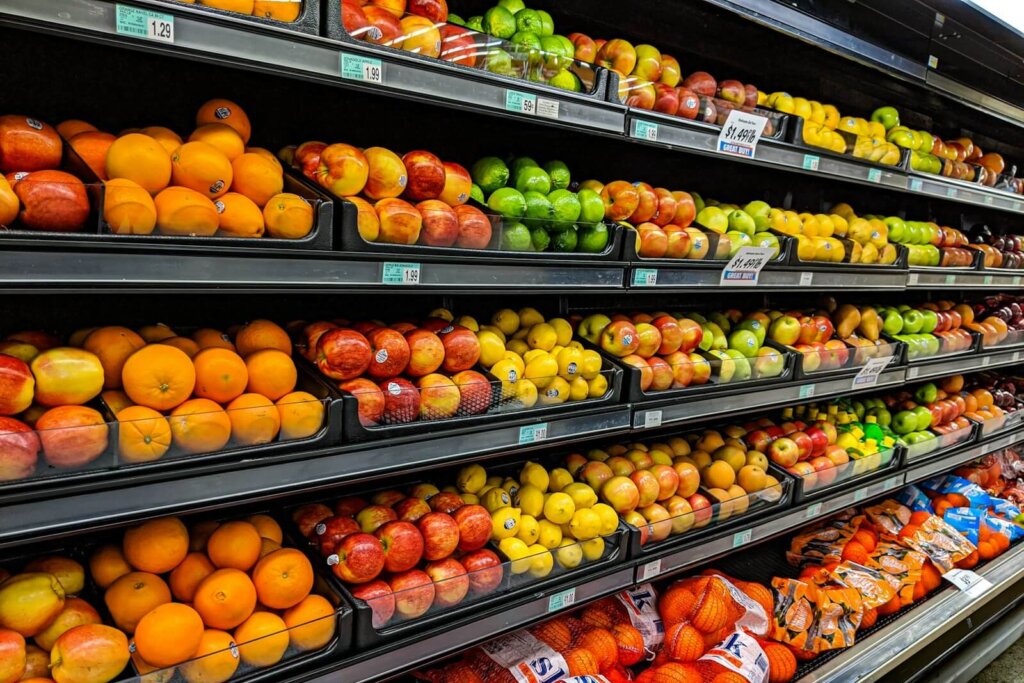
But that’s not the only way to make a difference. A big contributor to food waste is the fact that supermarkets often reject fruits and vegetables simply because they don’t meet their strict “beauty standards.” Perfectly edible produce is left behind, even though there’s nothing wrong with it.
The good news is that companies have become creative. For example, Farmers Pick has developed a more sustainable (and affordable!) food system by working directly with farmers and producers to rescue so-called “imperfect” produce. Instead of ending up as waste, these fruits and vegetables are sold to customers for up to 30% less than major supermarket prices, and the best part is, they’re delivered straight to your doorstep.
Reducing food waste not only helps the planet, but it also encourages us to be more mindful about what we buy and consume. From using what’s already in your kitchen, to buying “imperfect” fruits and vegetables, or starting to compost, every small action makes a difference. These changes may seem simple, but together they create a big impact for a healthier and more sustainable future.